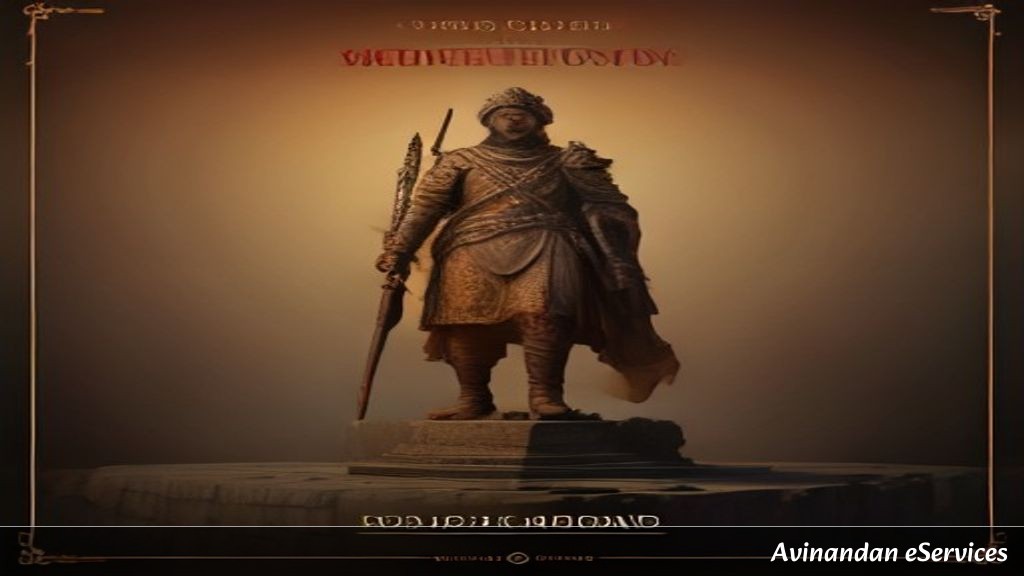
Introduction to the Topic
Welcome to NCERT Explained: Class VI History, Chapter 6 - New Questions and Ideas. This chapter marks a fascinating turning point in ancient Indian history, spanning around 2,500 years ago. During this period, thinkers began asking deep questions about life, death, suffering, and the existence of a soul or a supreme being. It was an era of intense intellectual awakening, leading to the rise of new religious traditions and philosophical systems like Buddhism and Jainism that continue to influence millions today.
Understanding this chapter helps students see how society, beliefs, and human curiosity evolved beyond traditional Vedic rituals. Let us dive deep into the key figures, ideas, and movements that shaped this revolutionary epoch.
Key Concepts Explained
1. The Story of the Buddha: Seeking Enlightenment
Siddhartha, also known as Gautama, was the founder of Buddhism. Born as a prince in the Shakya gana around 2,500 years ago, he lived a life of luxury. However, witnessing human suffering—old age, sickness, and death—deeply troubled him. He left his comfortable palace in search of true knowledge and peace.
After years of wandering and deep meditation under a peepal tree at Bodh Gaya in Bihar, he attained enlightenment. He came to be known as the Buddha (the Wise One). He spent the rest of his life traveling, teaching people about compassion, right living, and how to overcome suffering.
The Buddha taught in Prakrit, the language spoken by ordinary people, making his teachings accessible to everyone. His core message was encapsulated in the idea that life is full of suffering and unhappiness, caused by our cravings and desires. By practicing moderation, self-control, and mindfulness, one could break the cycle of suffering and rebirth, achieving Nirvana.
2. The Upanishads: Exploring the Inner Self
Around the time the Buddha was preaching, other thinkers were also trying to understand the mysteries of the universe. Their ideas were recorded in texts known as the Upanishads, which literally mean 'approaching and sitting near'. These texts are part of the later Vedic texts.
The Upanishads contain conversations between teachers and students. Most thinkers were men, especially brahmins and rajas. However, exceptional women thinkers like Gargi also participated in debates held in royal courts. These thinkers believed that there was something permanent in the universe that lasted even after death, which they called the Atman (the individual soul) and the Brahman (the universal soul). They believed that ultimately, both Atman and Brahman were one.
3. Jainism and Mahavira
Another prominent thinker of this time was Vardhamana Mahavira, who spread the teachings of Jainism. He was a kshatriya prince of the Lichchhavi group, part of the Vajji union. At the age of thirty, he left his home and led a difficult life for twelve years before attaining enlightenment.
Mahavira taught a simple doctrine: men and women who wish to know the truth must leave their homes. They must strictly follow the rules of ahimsa, which means not hurting or killing any living creature. Followers of Jainism, known as Jains, had to lead very simple lives, begging for food, being honest, and observing celibacy.
4. The Sangha and Monasteries
Both the Buddha and Mahavira felt that true knowledge could only be attained by those who left their homes. To accommodate these seekers, they organized groups called sangha. The men and women who joined the sangha led simple lives, meditating and studying spiritual texts. They were known as bhikkhus (beggars) and bhikkhunis.
To protect themselves during the rainy season when traveling became difficult, monks and nuns began building permanent residences called viharas. Over time, these viharas grew into large, sophisticated monastic institutions supported by wealthy merchants, kings, and landowners.
5. The System of Ashramas
As religious and social life grew more organized, brahmins developed the system of ashramas around the time when Buddhism and Jainism were flourishing. Instead of stages of life being open to everyone, four ashramas were recognized for men:
- Brahmacharya: Students had to lead simple lives and study the Vedas during their early years.
- Grihastha: Householders had to marry and support their families.
- Vanaprastha: Individuals lived in the forest and meditated.
- Sannyasa: People renounced everything and became wandering ascetics.
Summary & Key Takeaways
Here are the key points to remember from this chapter:
- The period 2,500 years ago saw a rise in new philosophical questions regarding life, death, and human suffering.
- Siddhartha Gautama founded Buddhism, teaching compassion and the path to ending suffering in simple Prakrit.
- The Upanishads introduced profound ideas about the soul (Atman) and the universal spirit (Brahman).
- Vardhamana Mahavira popularized Jainism, emphasizing strict adherence to non-violence (ahimsa).
- Monks and nuns lived in sanghas and resided in permanent dwellings called viharas during the monsoon seasons.
- The ashrama system defined the four distinct stages of a man's life in ancient Hindu society.