Introduction to the Topic
Welcome to an exciting journey back in time! In Class VII History, Chapter 1, titled Tracing Changes Through a Thousand Years, we explore how the Indian subcontinent transformed between the years 700 and 1750 CE. History is not just a collection of static dates and memorized battles; it is a dynamic story of continuity and monumental change. During this medieval period, languages shifted, new technologies emerged, maps were redrawn, and entirely new social and political groups came into prominence. Understanding these thousand years helps us decode how our modern society, culture, and geography were shaped.
Key Concepts Explained
To fully grasp the historical developments of this era, historians rely on several fascinating clues, primary sources, and shifting definitions. Let us break down the core concepts of this chapter into simple, easy-to-understand points:
1. New and Old Terminology
Language and the meanings of words change dramatically over centuries. For instance, the term Hindustan today refers to the modern nation-state of India. However, in the thirteenth century, the chronicler Minhaj-i-Siraj used it to mean the areas of Punjab, Haryana, and the lands between the Ganga and Yamuna. It never included southern India! Similarly, words like foreigner today mean someone who is not an Indian citizen. In medieval times, a foreigner (or ajnabi in Hindi, gharib in Persian) was simply any stranger who appeared in a given village, someone who was not a part of that particular society or culture.
2. Historians and Their Sources
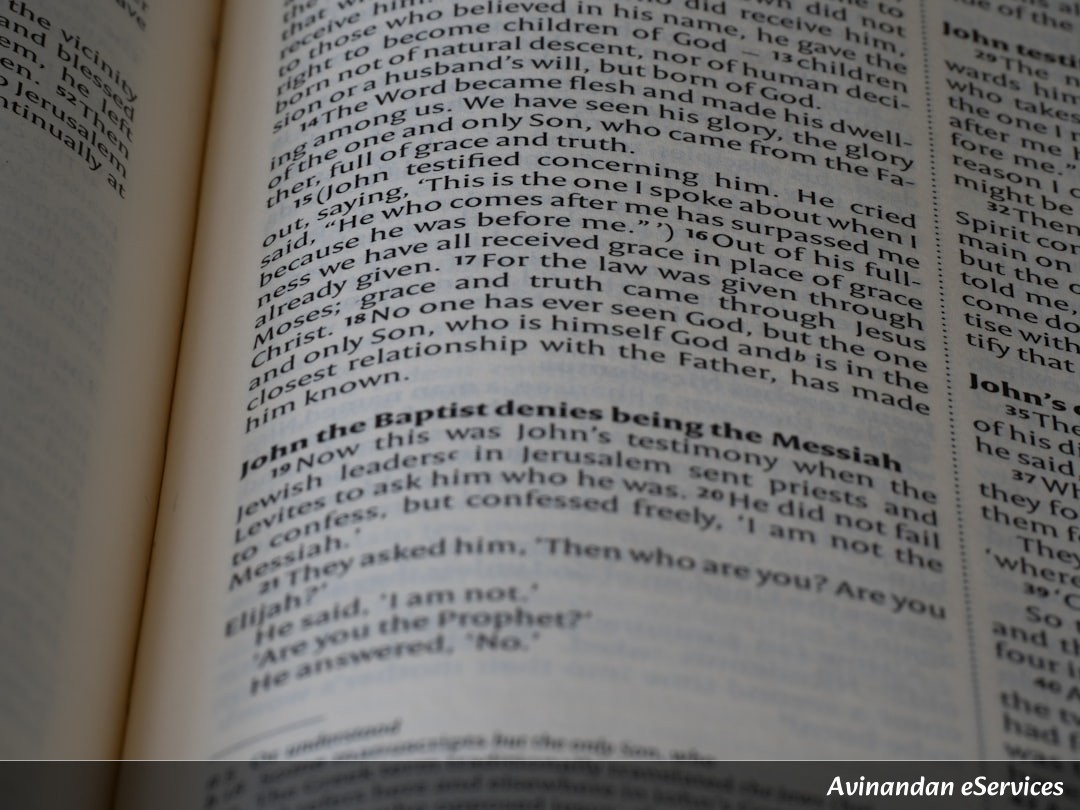
Unlike the ancient period where coins and inscriptions dominate, the medieval period witnesses a massive increase in the use of written records. Historians rely on a vast variety of sources, including manuscripts written by hand, court chronicles, letters, teachings of saints, and judicial records. However, studying manuscripts comes with a major challenge: handwritten copying. When scribes copied manuscripts by hand, they introduced small changes—a word here, a sentence there. Over centuries of copying, these small alterations snowballed into massive differences between the original author's text and the copies we read today!
3. New Social and Political Groups
The thousand years between 700 and 1750 were characterized by immense economic and technological development. Some of the key changes included:
- New Technologies: The introduction of the Persian wheel in irrigation, the spinning wheel in weaving, and firearms in combat.
- New Foods and Beverages: Potatoes, corn, chillies, tea, and coffee arrived in the subcontinent during this period, brought by travelers and traders.
- The Rajputs: A new warrior group emerged, claiming warrior status associated with the term Rajaputra (the son of a ruler). They used poetry and bardic tales to glorify their martial code of honor, bravery, and loyalty.
- Jatis and Caste Systems: As society became more stratified, ranked sub-castes known as jatis were formed. Jatis framed their own rules and regulations to manage the conduct of their members, enforced by an assembly of elders known as the jati panchayat.
4. Region and Empire
During the medieval era, large states like those of the Cholas, Khaljis, Tughluqs, and Mughals spanned diverse regions. A famous Sanskrit prashasti (praise) in praise of the Delhi Sultan Ghiyasuddin Balban tells us that his empire stretched from Bengal in the east to Ghazni in Afghanistan in the west. By 1700, the pan-regional empire of the Mughals was declining, paving the way for regional states to rise. Yet, the character of the regions—with distinct languages and cultural traditions—remained uniquely rich and diverse.
Summary & Key Takeaways
Here are the essential revision points to remember from Class VII History Chapter 1:
- History between 700 and 1750 CE is marked by continuous evolution in languages, maps, and social hierarchies.
- Words change their meanings over time; for example, 'Hindustan' and 'foreigner' had very different implications in the medieval era compared to today.
- Manuscripts were copied by hand, leading to variations and errors that make historical interpretation a challenging detective task.
- New technologies like the Persian wheel and spinning wheel, along with new crops like potatoes and chillies, transformed daily life.
- The social structure saw the rise of new groups like Rajputs, Sikhs, Jats, Ahoms, and Marathas, alongside the organizational framework of jatis.