Rohan: Saanvi, I was reading a book about tropical rainforests yesterday, and it said that frogs and snakes can be venomous or poisonous. But it got me thinking... are there any poisonous birds in the world?
Saanvi: That is an amazing question, Rohan! For a long time, even scientists thought birds couldn't be poisonous. But in the rainforests of Papua New Guinea, there is a medium-sized bird with bright orange and black feathers called the Hooded Pitohui. And believe it or not, its skin and feathers are packed with lethal poison!
Rohan: Wait, really? A bird with toxic feathers? That sounds like something straight out of a superhero comic! How did scientists even figure out that a bird was poisonous?
Saanvi: It was actually discovered by complete accident back in 1989! An American scientist named Jack Dumbacher was working in the jungle, untangling Hooded Pitohuis from delicate research nets. One of the birds gave his finger a tiny scratch. Naturally, he put his finger in his mouth to soothe the cut, and within minutes, his lips and tongue started going completely numb and tingling!
Rohan: Whoa! Just from touching its feathers and getting a tiny scratch? That is wild!
Saanvi: Exactly! Dr. Dumbacher realized something unusual was going on. He tested the bird's feathers in a laboratory and discovered that they contained one of the most powerful neurotoxins in nature: batrachotoxin.
Rohan: Batrachotoxin? Isn't that the exact same poison found on those tiny, super dangerous poison dart frogs in South America?
Saanvi: Spot on, Rohan! It is the very same family of toxins. Batrachotoxin works by locking open the sodium channels in nerve cells. This stops nerves from sending signals to muscles, causing paralysis and making the heart stop working properly. A single Hooded Pitohui carries enough toxin in its skin and feathers to cause severe harm to predators!
Rohan: But wait a minute, Saanvi! How does the bird produce such a deadly toxin without poisoning itself? Why doesn't its own heart stop?
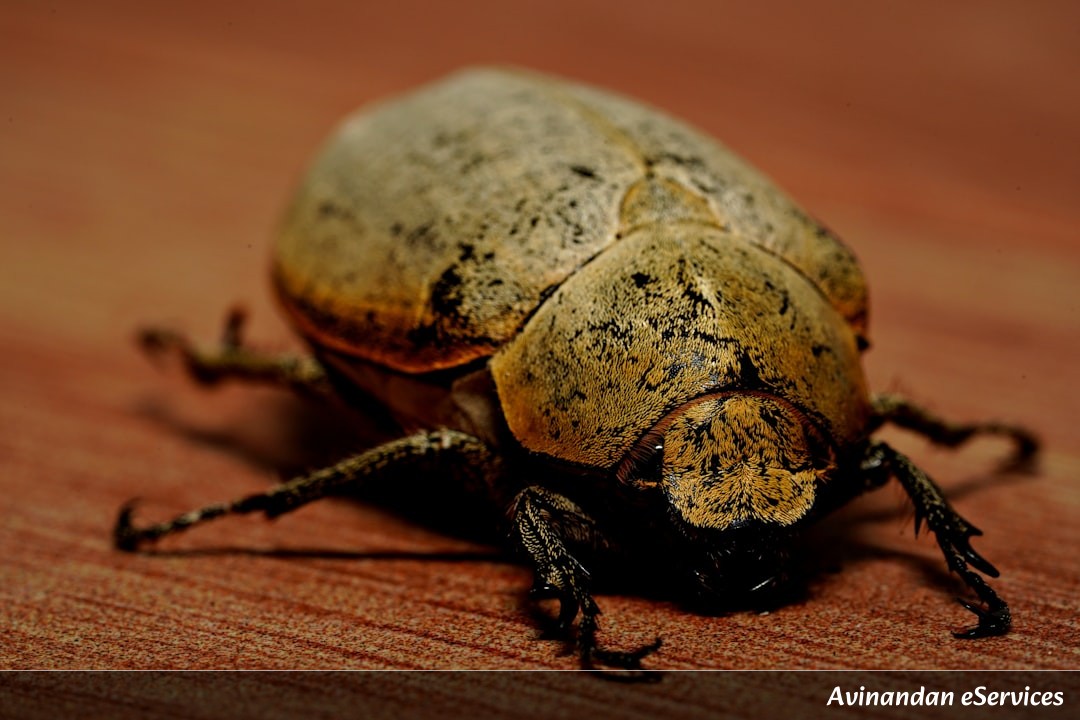
Saanvi: That is the coolest part of the science! First, the bird doesn't actually produce the poison inside its own body. It gets the poison from its food! The Hooded Pitohui loves to snack on small Choresine beetles, which are loaded with batrachotoxins. When the bird eats these beetles, it absorbs the chemical toxins and secretes them into its skin and feathers.
Rohan: Ah, so it steals the toxin from its prey! But why doesn't eating those beetles make the Pitohui sick?
Saanvi: The Hooded Pitohui has evolved special genetic mutations in its nerve proteins. These mutations alter the shape of its sodium channels just enough so that batrachotoxin cannot bind or stick to them. It is like having a keyhole that has been modified so the dangerous key no longer fits! That keeps the bird completely immune to its own toxic diet.
Rohan: That is unbelievable evolutionary engineering! But how does having poisonous feathers actually help the bird survive day to day?
Saanvi: It provides a two-in-one defense system. First, large predators like tree snakes, hawks, and even hungry mammals quickly learn to stay away. If a predator tries to bite a Pitohui, the intense burning and numbing sensation in its mouth forces it to drop the bird immediately. Indigenous people in Papua New Guinea have known for generations not to eat the bird, calling it a 'trash bird' because cooking it makes the skin taste terrible and causes sickness.
Rohan: Haha, a 'trash bird'! That is a great nickname. What is the second reason?
Saanvi: Parasite control! Feathers are constantly attacked by tiny pests like lice, mites, and ticks. The batrachotoxin rubbing off on the Pitohui's feathers acts as a natural bug repellent, killing parasites and keeping the bird's plumage clean and healthy.
Rohan: Wow, so it works like a natural bug spray and bulletproof armor all at once! Nature never ceases to amaze me.
So, What Did We Learn Today?
- Toxic Songbird: The Hooded Pitohui of Papua New Guinea is one of the few known poisonous birds in the world, carrying deadly batrachotoxin in its skin and feathers.
- Accidental Discovery: Scientists discovered its toxicity in 1989 when a researcher touched his mouth after handling the bird and experienced immediate numbness.
- Dietary Defense: The bird gets its poison by eating Choresine beetles and storing the absorbed toxins safely in its outer tissues.
- Genetic Immunity: The Hooded Pitohui mutated its nerve receptor proteins so the poison cannot lock onto its cells, keeping it totally safe.
- Dual Protection: The toxic coating deters large predators from eating the bird and keeps microscopic parasites like lice from infesting its feathers.
Rohan: Thanks for explaining that, Saanvi! Next time I see a colorful bird outside, I'll admire its beautiful feathers, but I'll remember the mighty Hooded Pitohui!