Kabir: Hey Ananya! Look at this potted money plant on our windowsill. I was just thinking... plants have it so easy, don't they? They don't have to go to the kitchen, cook food, or even chew. They just stand there, catch some sunlight, and make their own energy. Why can't animals do that?
Ananya: Haha, Kabir! If we did that, we would have to be bright green and spend our entire day standing completely still in the sun. But you know what? Your question isn't as crazy as it sounds. There is actually an animal that does exactly that! It runs on solar power, just like a plant.
Kabir: Wait, seriously? An animal that photosynthesizes? No way! Are you pulling my leg? Is it some kind of sci-fi alien creature?
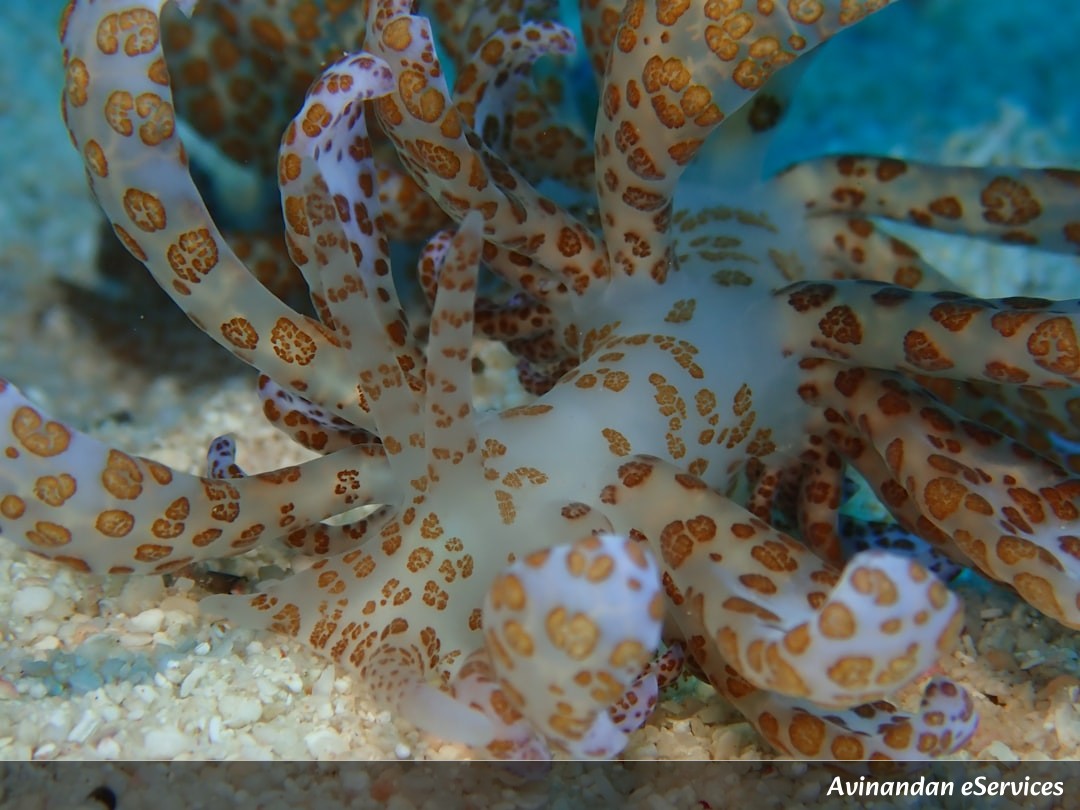
Ananya: Nope, it is very real, and it lives right here on Earth! It is a tiny marine creature called the Eastern Emerald Elysia. Scientists call it Elysia chlorotica. It is a type of sea slug that looks just like a beautiful, bright green leaf crawling along the ocean floor.
Kabir: A sea slug that looks like a leaf? That sounds amazing! But how does a slug get solar power? Plants can do it because they have those tiny green factories inside their cells... what are they called again?
Ananya: Excellent memory, Kabir! They are called chloroplasts. Chloroplasts contain chlorophyll, which captures sunlight and turns water and carbon dioxide into sugar. Animals don't have chloroplasts. But the Eastern Emerald Elysia has found a sneaky way around this rule. It steals them!
Kabir: It steals them?! Like a biological pirate? How does a tiny slug pull off a chloroplast heist?
Ananya: It really is a heist! The slug eats a specific type of yellow-green algae. Instead of digesting the algae completely like we digest our food, the slug does something incredibly clever. It uses its sharp teeth to pierce the algae cell wall, sucks out the insides, and carefully separates the chloroplasts. Then, it tucks those chloroplasts into its own digestive cells!
Kabir: Wow! So instead of destroying the solar panels, it installs them in its own body! Does that mean it becomes green because of the stolen chloroplasts?
Ananya: Exactly! Young sea slugs are actually a translucent brown color. But once they start feeding on the algae and storing the chloroplasts in their digestive tract, they turn a brilliant, leaf-green color. They even grow broad, wing-like flaps along their bodies that make them look exactly like a leaf. This also helps them hide from predators while they sunbathe!
Kabir: That is genius! But wait, if they have these stolen solar panels, do they ever have to eat again?
Ananya: Believe it or not, once they have a full set of chloroplasts, they can go for up to nine whole months without eating a single bite! They just bask in the shallow, sunny waters and let the stolen chloroplasts do all the work, feeding them pure solar energy.
Kabir: Nine months?! That is like a superpower. Imagine eating one salad and then not needing lunch for the rest of the school year. But wait, Ananya, if chloroplasts are part of the algae, how do they stay alive inside a completely different animal? Shouldn't the slug's body reject them or break them down?
Ananya: That is the most fascinating part, Kabir! This process is called "kleptoplasty"—which literally means "chloroplast theft." For a long time, scientists were totally baffled by how these chloroplasts survived. Normally, chloroplasts need specific proteins to function, and the instructions to make those proteins are in the algae's DNA, not the slug's DNA.
Kabir: Right! So how does the slug keep the machinery running without the instruction manual?
Ananya: Well, researchers discovered something mind-blowing. Over millions of years of evolution, this clever little slug actually managed to transfer some of the algae's genes into its own DNA! This is called horizontal gene transfer. Because of this, the slug can produce the exact proteins needed to keep the stolen chloroplasts healthy and active. It's like stealing a car, but also stealing the factory instructions so you can manufacture replacement parts!
Kabir: That is absolutely wild! The slug literally hacked its own DNA using plant-like genes! Nature is so much cooler than any video game. Are there any other animals that can do this, or is our leaf-slug friend one of a kind?
Ananya: That is a great question! There are other marine animals, like giant clams and corals, that have tiny plants or algae living inside them. But there is a huge difference. Those animals host whole, living algae cells inside their bodies in a friendly partnership called symbiosis. The Eastern Emerald Elysia is different because it doesn't host the whole cell. It rips the cell apart, destroys the rest of it, and only keeps the chloroplasts—the solar panels. This is \textremely rare in the animal kingdom!
Kabir: Ah, I get it! Giant clams are like landlords renting out a room to an algae tenant. But our sea slug is a high-tech thief that disassembles the tenant's house and steals only the solar panels for its own roof!
Ananya: Haha, that is the perfect analogy, Kabir! You should write a science comic book about it. And because it keeps only the solar panels, it has to do all the maintenance work itself, which is why having those transferred genes is so crucial. Without those genes, the chloroplasts would break down in just a few days.
Kabir: Where can you find these little solar-powered slug-leaves?
Ananya: They live along the eastern coast of North America, in salt marshes, tidal pools, and shallow creeks. They are quite small—usually only about one to two inches long. Because they look so much like leaves, they are incredibly hard to spot unless you are looking closely.
Kabir: I would love to see one in real life. It really shows how flexible the rules of nature can be. Animals behaving like plants... what's next, plants running around like animals?
Ananya: Who knows what else is waiting to be discovered in the deep oceans! But the Eastern Emerald Elysia is definitely a shining example of how life adapts in the most unexpected ways to survive.
So, What Did We Learn Today?
- Solar-Powered Slug: The Eastern Emerald Elysia is a unique sea slug that can generate its own energy from sunlight, just like a plant.
- The Chloroplast Heist: Through a process called kleptoplasty, the slug eats algae and steals its solar-collecting chloroplasts instead of digesting them.
- DNA Hacking: The slug has actually absorbed genes from the algae into its own DNA, allowing it to produce proteins that keep the stolen chloroplasts working for months.
- Leaf Camouflage: Storing these chloroplasts turns the slug a bright green color, helping it blend in with seaweed and leaves to hide from hungry predators.
Kabir: This was absolutely mind-blowing, Ananya! Next time I look at a green leaf in our garden, I'll definitely be thinking about those sneaky, solar-powered sea slugs stealing the sun's power. Science is full of surprises!