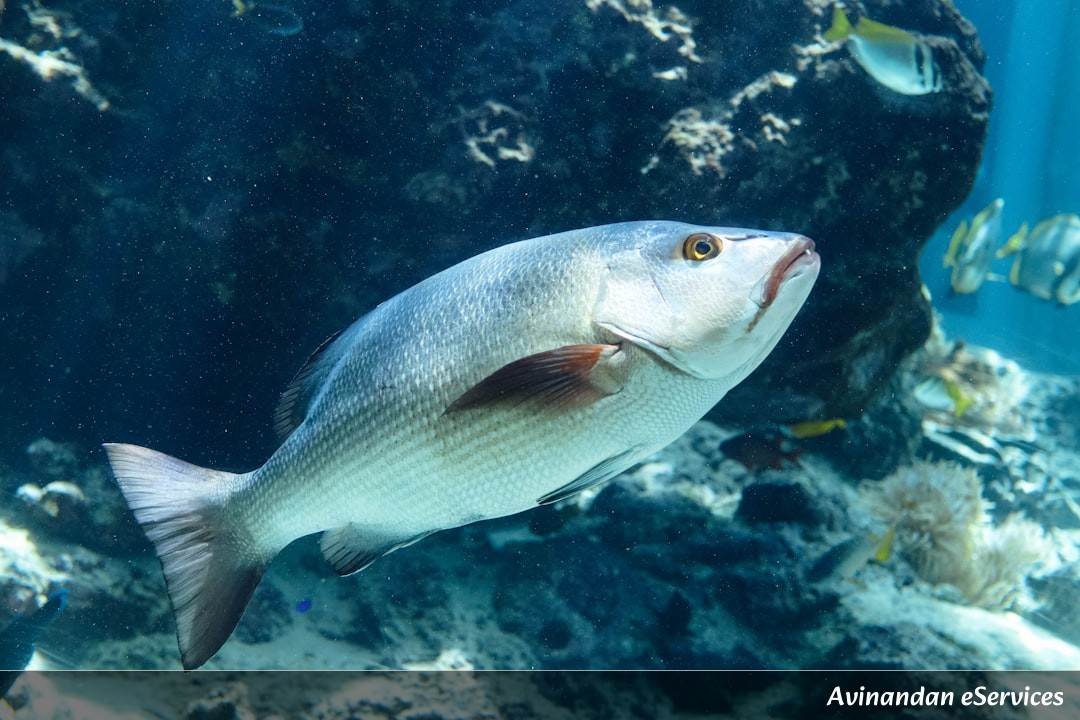
Aarav: Mira, I was reading about Antarctica today, and I saw a picture of a fish swimming in water that is literally colder than ice! How is that even possible? Wouldn't they just turn into an ice cube?
Mira: That is such a sharp observation, Aarav! You’re thinking of the Antarctic Icefish. Most animals would freeze solid, but these fish have a secret, built-in superpower: natural anti-freeze!
Aarav: Wait, like the stuff people put in car engines? Are you saying these fish have chemicals inside them that stop them from freezing?
Mira: Exactly! It’s a group of proteins called Glycoproteins. Think of them as tiny, microscopic shields. They circulate through the fish's blood and attach themselves to any tiny ice crystals that try to form. Once they attach, they prevent those little crystals from growing into big, jagged ones that would hurt the fish's body.
Aarav: That is incredible! It’s like they have a tiny construction crew constantly patrolling their blood to stop ice from building up. Are they the only animals that can do this?
Mira: They are definitely the most famous, but some other Arctic fish and even some insects use similar tricks to survive the winter. Evolution is amazing—it gave them these special proteins so they could survive in a habitat that would be lethal for almost anything else.
Aarav: So, if these fish didn't have this anti-freeze, they would just stop moving and freeze entirely? That sounds like a very dangerous lifestyle!
Mira: You hit the nail on the head. Because the water in the Southern Ocean is so cold, these fish have also evolved to have very slow metabolisms. They don’t have much red blood pigment, which makes their blood look almost clear. It’s a whole package of adaptations to live in one of the coldest places on Earth.
So, What Did We Learn Today?
Mira: Let's recap what we discovered about these chilly survivors:
- Antarctic Icefish survive in freezing water by producing special proteins called glycoproteins.
- These proteins act as biological anti-freeze by sticking to ice crystals and preventing them from growing.
- This adaptation allows them to live in environments where water temperatures are often below the freezing point of blood.
- Nature has brilliant ways of helping creatures thrive in \textreme conditions through evolution.
Aarav: I’m honestly mind-blown, Mira! It makes me think that there are so many tiny, invisible things happening inside animals just to keep them alive. I’m definitely going to keep an eye out for more icy-cold survival stories!