Introduction to the Topic
Light is an \textraordinary phenomenon that allows us to perceive the world around us. In this chapter from Class X Science, we explore how light travels, how it bounces off surfaces (reflection), and how it bends when passing through different materials (refraction). Understanding these principles is essential, as they form the basis for how our eyes see and how optical instruments like cameras, microscopes, and telescopes function.
Key Concepts Explained
1. Reflection of Light: Reflection occurs when a ray of light hits a surface and bounces back. The Law of Reflection states that the angle of incidence is equal to the angle of reflection. When it comes to curved mirrors, we distinguish between:
- Concave Mirrors: These curve inward like a spoon and can form both real and virtual images depending on the object's distance.
- Convex Mirrors: These bulge outward and always form smaller, virtual, and erect images, which is why they are used as rearview mirrors in vehicles.
2. Refraction of Light: Refraction is the change in the path of light as it passes from one transparent medium to another, such as from air to glass. This occurs because the speed of light changes as it enters a denser medium, causing the ray to 'bend'. The degree of bending is determined by the refractive index of the material.
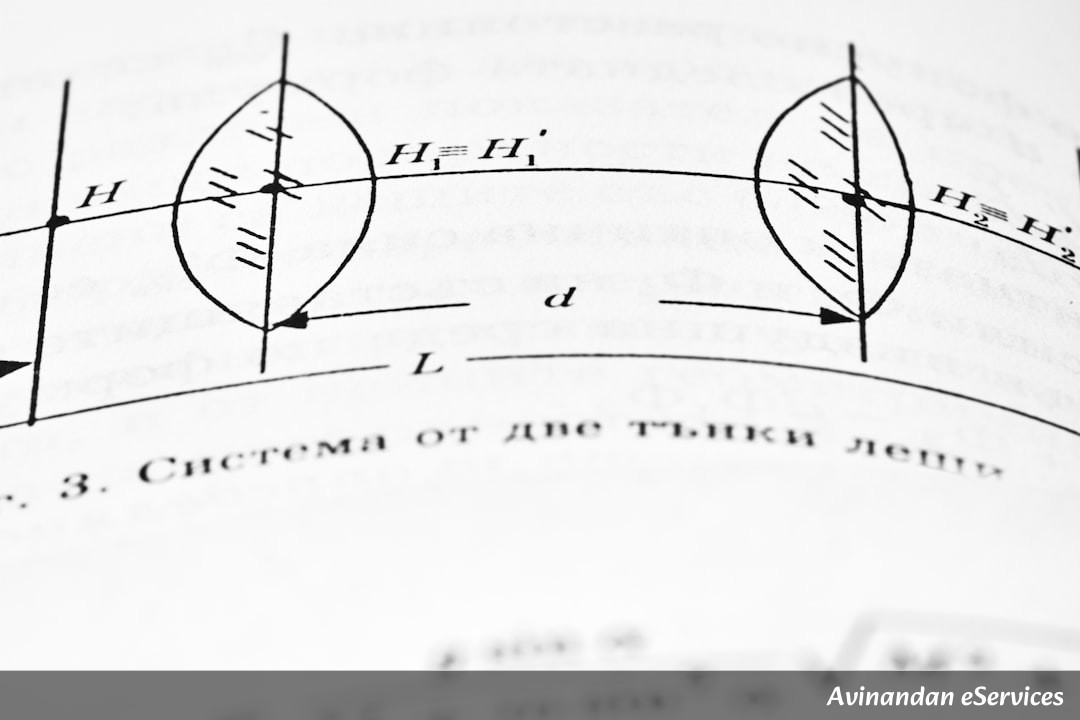
3. Spherical Lenses: Lenses use refraction to focus light. A convex lens converges light rays to a point, while a concave lens diverges them. By manipulating these lenses, we can correct vision defects and magnify tiny objects.
Summary & Key Takeaways
Remember these fundamental points for your exams:
- The laws of reflection apply to all types of reflecting surfaces, including spherical mirrors.
- A real image can be caught on a screen, while a virtual image cannot.
- The power of a lens is defined as the reciprocal of its focal length in meters, measured in Diopters.
- Light travels fastest in a vacuum; its speed decreases in denser mediums like glass or water.
- Always practice drawing ray diagrams, as they are crucial for visualizing how images are formed in mirrors and lenses.