Introduction to the Human Digestive System for RRB Exams
The human digestive system is a cornerstone of General Science in RRB NTPC and Group D examinations. Understanding how the body processes nutrients, from ingestion to egestion, is crucial as the Railway Recruitment Board frequently tests candidates on biological processes, enzymes, and the functions of various organs. Mastering this topic will give you a significant edge in the General Awareness and Science sections.
Topic Weightage and Importance
In the RRB exam pattern, General Science often accounts for a substantial portion of the paper. You can expect 2 to 3 questions directly or indirectly related to the digestive system in every set. High-frequency areas include the role of enzymes (pepsin, trypsin), the function of the liver, and the absorption process in the small intestine.
Key Concepts and Formulas
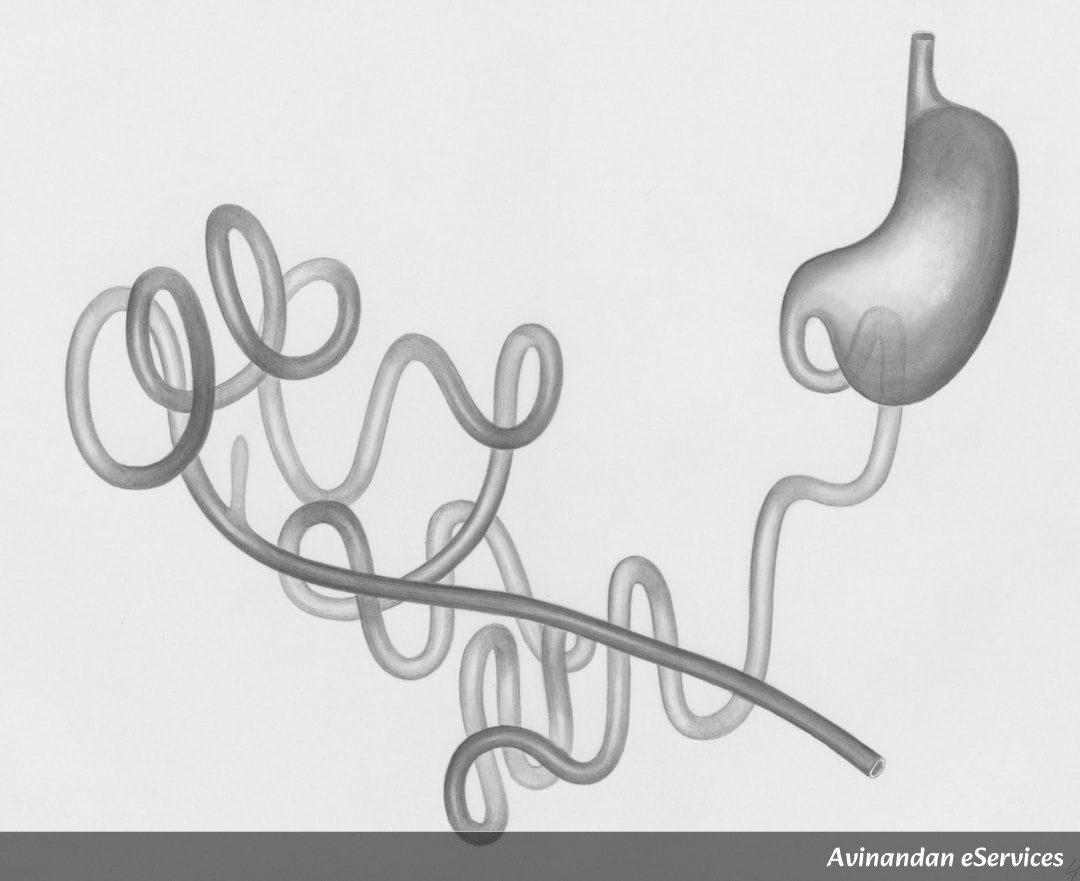
The digestive system is a complex set of organs working in tandem to convert food into energy. Key components include:
- Alimentary Canal: A continuous tube starting from the mouth to the anus.
- Enzymes: Biological catalysts like amylase (saliva), pepsin (stomach), and lipase (pancreas).
- Organs: Mouth (mechanical/chemical), Esophagus (peristalsis), Stomach (acidic digestion), Small Intestine (absorption), and Large Intestine (water reabsorption).
- Accessory Organs: Liver (produces bile), Gallbladder (stores bile), and Pancreas (produces digestive juices).
Solved Examples (Step-by-Step)
Example 1: Where does the digestion of starch begin?
Solution: The digestion of starch begins in the mouth. The salivary glands secrete salivary amylase, which breaks down complex carbohydrates into simpler sugars.
Example 2: Which organ is responsible for producing bile?
Solution: The liver produces bile, which is stored in the gallbladder and aids in the emulsification of fats.
Common Mistakes to Avoid
- Confusing the function of the small intestine (nutrient absorption) with the large intestine (water absorption).
- Forgetting the role of Hydrochloric Acid (HCl) in the stomach, which kills bacteria and creates an acidic environment for pepsin.
- Underestimating the importance of accessory glands like the pancreas.
Practice Questions with Solutions
1. Which part of the digestive system acts as the primary site for nutrient absorption? Answer: Small Intestine
2. What is the role of HCl in the stomach? Answer: To kill pathogens and activate pepsinogen into pepsin.
3. Which enzyme is found in saliva? Answer: Amylase.
4. What is the function of the large intestine? Answer: Reabsorption of water and salts.
5. Where is bile stored? Answer: Gallbladder.
Frequently Asked Questions (FAQs)
Q: Is the human digestive system highly asked in RRB Group D?
A: Yes, it is a high-weightage topic within the biology syllabus.
Q: Are diagrams necessary for preparation?
A: While you don't need to draw, understanding the sequence of the alimentary canal is vital for solving conceptual questions.
Conclusion and Final Tips
Consistent revision of digestive enzymes and organ functions is the key to mastering this topic. Focus on the chemical changes food undergoes at every stage. Stay confident, practice consistently, and you will surely excel in your RRB examination journey!