Introduction to the Human Excretory System for RRB Exams
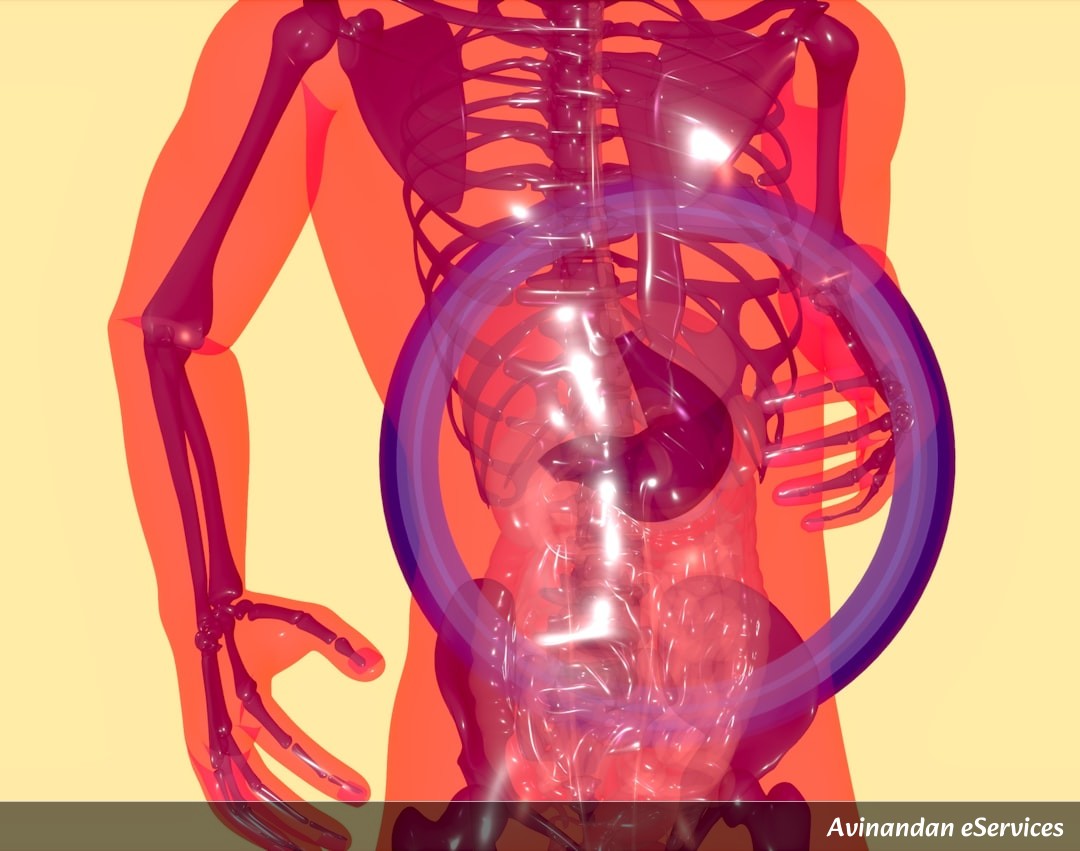
The human excretory system is a vital biological topic frequently tested in RRB NTPC, Group D, and Technician exams. It involves the removal of metabolic waste from the body to maintain homeostasis. For RRB aspirants, understanding the structure of the kidneys, the process of urine formation, and the role of associated organs is crucial for scoring high in the General Science section.
Topic Weightage and Importance
In the General Science section of RRB exams, Biology carries significant weight. You can expect 2-3 questions directly related to the excretory system, ranging from the function of nephrons to the hormones involved in water regulation. Mastering this topic ensures you secure these marks consistently.
Key Concepts and Formulas
The primary components of the excretory system include:
- Kidneys: The bean-shaped organs responsible for blood filtration.
- Ureters: Tubes carrying urine from kidneys to the bladder.
- Urinary Bladder: A muscular sac for temporary storage of urine.
- Urethra: The tube through which urine exits the body.
- Nephron: The structural and functional unit of the kidney.
Key Processes:
- Ultrafiltration: Filtration of blood under pressure in the Glomerulus.
- Selective Reabsorption: Reclaiming useful substances (glucose, water) back into the blood.
- Tubular Secretion: Adding waste substances directly into the filtrate.
Solved Examples (Step-by-Step)
Example 1: Which is the functional unit of the human kidney?
Solution: The nephron is the functional unit. Each kidney contains millions of nephrons that perform the filtration process.
Example 2: What is the main nitrogenous waste excreted by humans?
Solution: Urea. Humans are classified as 'ureotelic' organisms because they excrete urea, which is less toxic than ammonia.
Common Mistakes to Avoid
- Confusing the ureter with the urethra; remember Ureter (Kidney to Bladder) vs Urethra (Bladder to outside).
- Ignoring the role of ADH (Anti-Diuretic Hormone) in water reabsorption.
- Mistaking the location of filtration (Glomerulus) with the location of secretion.
Practice Questions with Solutions
Q1: Which organ filters blood to produce urine? Ans: Kidney.
Q2: Name the hormone that regulates water reabsorption. Ans: ADH (Vasopressin).
Q3: Where is urine stored before excretion? Ans: Urinary bladder.
Q4: What happens if both kidneys fail? Ans: Dialysis is required to purify the blood.
Q5: Which pigment gives urine its yellow color? Ans: Urochrome.
Frequently Asked Questions (FAQs)
Q: What is the primary function of the Glomerulus?
A: Its primary function is the ultrafiltration of blood under high pressure.
Q: Are kidneys the only excretory organs?
A: No, the skin (sweat), lungs (CO2), and liver also contribute to excretion.
Conclusion and Final Tips
The excretory system is a high-yield topic. Focus on the functions of different parts of the nephron and the hormonal control of excretion. Consistent revision and practicing previous year's questions will help you master this section easily. Keep studying, stay focused, and you will succeed in your RRB goals!