Introduction to the Human Nervous System for RRB Exams
The human nervous system is a vital component of the Biology section in RRB NTPC, Group D, and Technician examinations. It serves as the command center of the body, controlling involuntary actions, voluntary movements, and sensory processing. Understanding the anatomy and functionality of neurons, the brain, and the spinal cord is crucial for scoring high in the General Science segment.
Topic Weightage and Importance
In RRB exams, General Science contributes significantly to the General Awareness and Science sections. You can expect 2 to 3 questions from the Nervous System topic, covering areas like brain anatomy, reflex actions, and endocrine-nervous system interactions. This high-weightage topic is often straightforward if you grasp the basic structural organization.
Key Concepts and Formulas
The nervous system is broadly classified into:
- Central Nervous System (CNS): Comprising the Brain and the Spinal Cord.
- Peripheral Nervous System (PNS): Consisting of cranial and spinal nerves.
- Autonomic Nervous System (ANS): Regulates involuntary processes (Sympathetic and Parasympathetic).
Key Terminologies:
- Neuron: The structural and functional unit of the nervous system.
- Synapse: The gap between two neurons where information is transmitted.
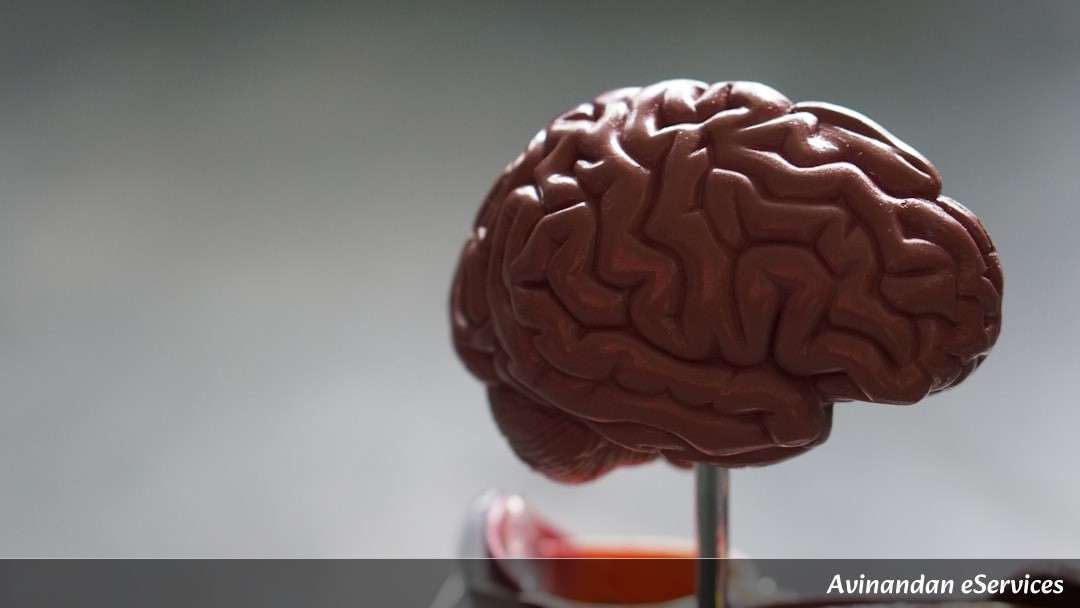
- Cerebrum: Responsible for memory, intelligence, and consciousness.
- Cerebellum: Responsible for maintaining posture and balance.
- Medulla Oblongata: Controls involuntary actions like heartbeat and respiration.
Solved Examples (Step-by-Step)
Example 1: Which part of the human brain is responsible for the regulation of body posture and balance?
Step-by-step: The Cerebellum is the part of the hindbrain responsible for motor coordination, posture, and equilibrium. Answer: Cerebellum.
Example 2: What is the gap between two neurons called?
Step-by-step: Information is passed from one neuron to another via neurotransmitters across a chemical junction called a synapse. Answer: Synapse.
Example 3: Which nervous system is responsible for the 'fight or flight' response?
Step-by-step: The Sympathetic Nervous System prepares the body for sudden stress, increasing heart rate and adrenaline. Answer: Sympathetic Nervous System.
Common Mistakes to Avoid
- Confusing the functions of the Cerebrum and Cerebellum.
- Overlooking the role of the Medulla Oblongata in involuntary breathing.
- Misinterpreting the difference between Sensory and Motor neurons.
- Failing to identify the Central vs. Peripheral classification.
Practice Questions with Solutions
Q1: What is the functional unit of the nervous system?
Q2: Which part of the brain controls blood pressure and vomiting?
Q3: The spinal cord is protected by which bony structure?
Q4: Which neurotransmitter is linked to muscle movement?
Q5: How many pairs of cranial nerves are present in humans?
Solutions: 1. Neuron, 2. Medulla Oblongata, 3. Vertebral Column, 4. Acetylcholine, 5. 12 pairs.
Frequently Asked Questions (FAQs)
Q: Is the nervous system part of the RRB Science syllabus? Yes, it is a sub-topic under Human Biology.
Q: Are diagrams necessary to study this? While not required for the exam, visual aids help in remembering anatomical structures.
Q: How much time should I dedicate to this? Spend 2-3 hours to thoroughly cover notes and practice questions.
Conclusion and Final Tips
Mastering the nervous system is all about understanding the relay mechanism of signals in the body. Practice the terminology, focus on the brain's subdivisions, and you will surely ace this section in your upcoming RRB examination. Stay consistent and keep revising!