Introduction to Oceanography for RRB Exams
For aspirants preparing for RRB NTPC, Group D, and Technician exams, General Awareness is the backbone of success. Among the geography syllabus, the study of Oceans and Marine Life is a high-yield topic. Understanding the composition of the ocean, current patterns, and marine ecosystems is essential for answering multiple-choice questions frequently asked in recent railway recruitment papers.
Topic Weightage and Importance
In the General Awareness section of RRB exams, Geography constitutes about 15-20% of the questions. Within Geography, oceanography topics like oceanic currents, salinities, and trenches appear in at least 1-2 questions per shift. Mastering this topic provides an edge, as these questions are factual and high-scoring.
Key Concepts and Formulas
To master this topic, candidates must focus on the following core areas:
- Major Oceans: Pacific (largest/deepest), Atlantic (S-shaped), Indian, Southern, and Arctic.
- Oceanic Currents: Warm currents (flow away from the equator) and Cold currents (flow toward the equator). Example: Gulf Stream (Warm), Labrador Current (Cold).
- Salinity: The average salinity of the ocean is 35 parts per thousand (ppt). The Dead Sea is known for having the highest salinity.
- Relief Features: Continental Shelf, Continental Slope, Abyssal Plains, and Oceanic Trenches (e.g., Mariana Trench).
Solved Examples (Step-by-Step)
Example 1: Which ocean is known as the 'S-shaped' ocean?
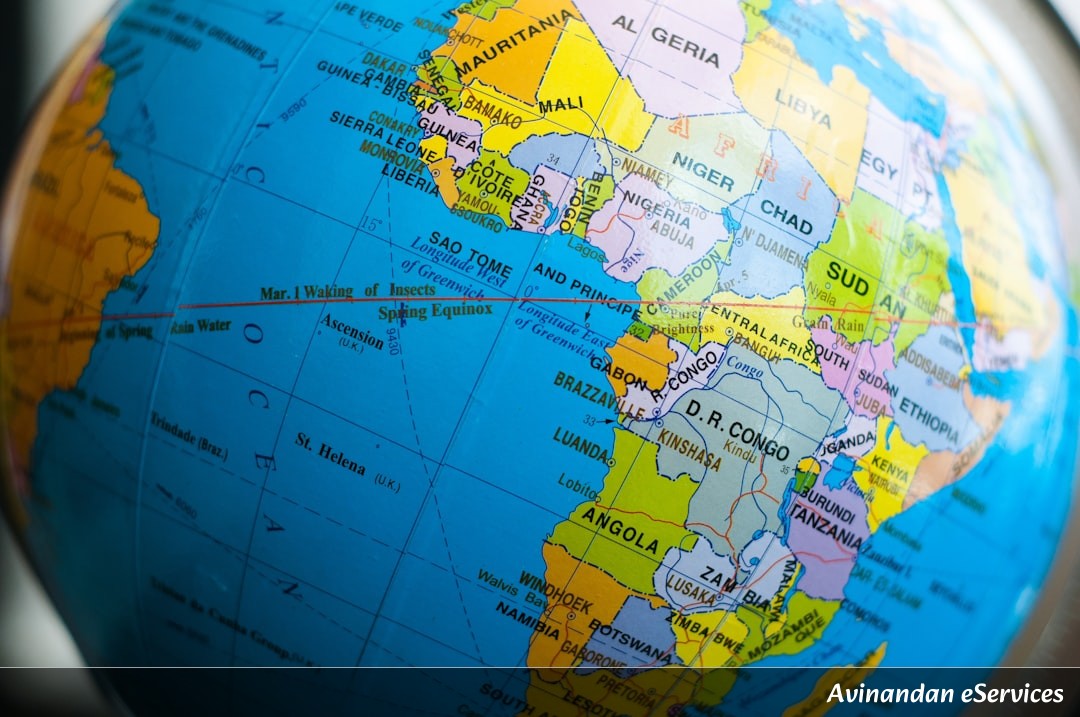
Solution: By analyzing the map of the world, we can observe that the Atlantic Ocean separates the Americas from Europe and Africa, forming a distinct S-shape. Thus, the correct answer is the Atlantic Ocean.
Example 2: Define a Cold Current.
Solution: Currents that originate from the polar regions and move towards the equatorial regions are called Cold Currents. These are typically associated with rich fishing grounds due to the mixing of cold and warm waters.
Common Mistakes to Avoid
- Confusing the deepest trench with the longest mountain range.
- Neglecting the impact of currents on local climates.
- Forgetting the difference between Salinity levels in the Pacific vs. Atlantic oceans.
- Ignoring the names of major submarine mountain ranges like the Mid-Atlantic Ridge.
Practice Questions with Solutions
Q1: What is the deepest point in the world's oceans?
Q2: The Humboldt Current is associated with which coast?
Q3: Which ocean is also known as the 'Hidden Ocean'?
Q4: What is the process of movement of ocean water due to wind called?
Q5: Why are the Grand Banks off Newfoundland famous?
Answers:
1: Mariana Trench. 2: Coast of South America (Peru). 3: Arctic Ocean. 4: Surface Currents (or Drift). 5: They are major fishing grounds where the Gulf Stream and Labrador Current meet.
Frequently Asked Questions (FAQs)
Q: Do I need to memorize all ocean currents?
A: No, focus on the major ones like Gulf Stream, Kuroshio, Labrador, and Peru currents.
Q: What is the best resource for this topic?
A: NCERT Geography books (Class 9-11) are sufficient for RRB exams.
Q: Are there numerical problems in this topic?
A: Very rarely. Most questions are static GK-based, focusing on definitions and locations.
Conclusion and Final Tips
Oceanography might seem vast, but by focusing on the major currents, trenches, and physical features, you can easily secure marks in this section. Consistency is key—revise your maps regularly and keep solving previous year question papers. Good luck with your RRB preparations!