Introduction to the Human Respiratory System for RRB Exams
The human respiratory system is a cornerstone of the Biology section in RRB NTPC, Group D, and Technician exams. It involves the complex process of gas exchange, which sustains cellular life. Understanding how we breathe, the anatomy of the lungs, and the mechanics of oxygen transport is vital for scoring high in the General Science component of these competitive exams.
Topic Weightage and Importance
In recent RRB recruitment cycles, General Science accounts for a significant portion of the paper. Respiratory system questions appear frequently, often testing candidates on factual knowledge regarding organs, breathing rates, and the exchange of gases. On average, you can expect 1-2 questions related to this topic in every shift.
Key Concepts and Formulas
The respiratory system facilitates the intake of oxygen (O2) and the elimination of carbon dioxide (CO2). Key components include:
- Nasal Cavity: Filters, warms, and moistens air.
- Pharynx & Larynx: The passage for air and the voice box, respectively.
- Trachea: The windpipe, supported by cartilaginous rings.
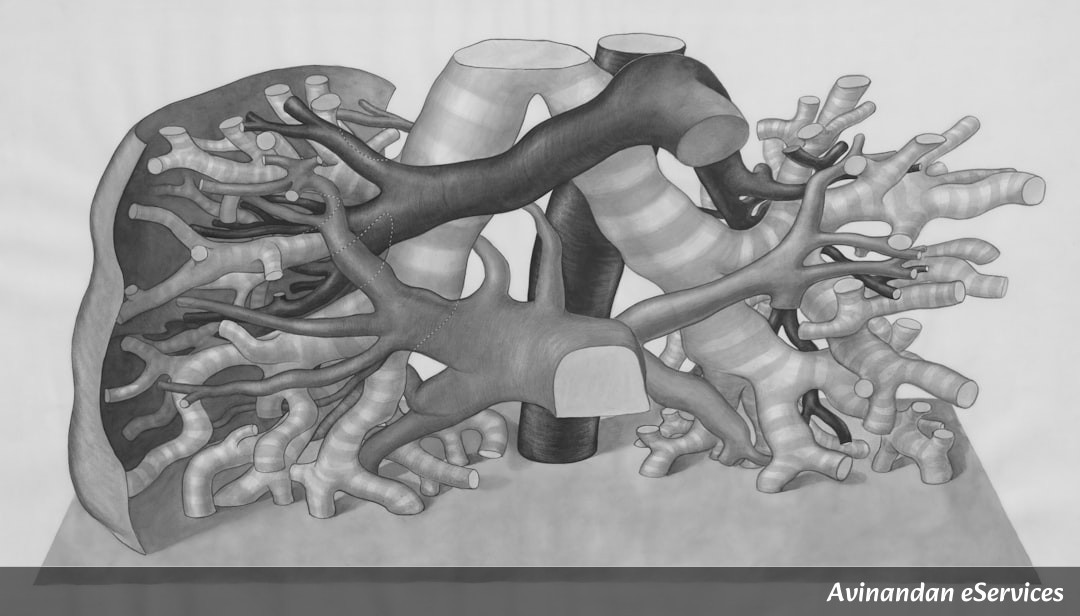
- Bronchi & Bronchioles: Branching airways leading into the lungs.
- Alveoli: Tiny air sacs where gas exchange occurs via diffusion.
- Diaphragm: A muscular partition separating the thorax from the abdomen, crucial for breathing.
Key Fact: The exchange of gases occurs in the alveoli by the process of Simple Diffusion.
Solved Examples (Step-by-Step)
Example 1: Where does gaseous exchange occur in human lungs?
Solution: Exchange occurs in the Alveoli. These are thin-walled sacs surrounded by blood capillaries, allowing oxygen to enter the blood and CO2 to exit.
Example 2: Which muscle plays the primary role in breathing?
Solution: The Diaphragm. When it contracts, the chest cavity expands, drawing air into the lungs (Inhalation).
Example 3: What is the normal breathing rate of a healthy adult?
Solution: Approximately 12-16 breaths per minute under resting conditions.
Common Mistakes to Avoid
- Confusing the Pharynx (digestive/respiratory) with the Larynx (voice box).
- Thinking gas exchange happens in the Bronchi; always remember it is the Alveoli.
- Forgetting that inhalation is an active process while exhalation is generally passive.
- Mixing up the transport mechanism; remember it is diffusion, not active transport.
Practice Questions with Solutions
- Q: Which gas is exhaled in the highest concentration? A: Nitrogen (it is inert and breathed out in similar volume as it is inhaled).
- Q: What is the scientific name for the voice box? A: Larynx.
- Q: Hemoglobin in the blood carries which gas? A: Oxygen.
- Q: What membrane covers the lungs? A: Pleura.
- Q: How many lobes are typically present in the right lung? A: Three.
Frequently Asked Questions (FAQs)
Q: Does the respiratory system include the heart?
A: No, but it works closely with the circulatory system to transport gases. The lungs provide O2 to the blood, which the heart then pumps.
Q: What causes hiccups?
A: Involuntary contractions of the diaphragm.
Q: Is oxygen the only gas we inhale?
A: No, we inhale atmospheric air which is mostly Nitrogen (78%), Oxygen (21%), and traces of other gases.
Conclusion and Final Tips
Mastering the human respiratory system requires a solid grasp of anatomy and physiology. Focus on the pathway of air and the role of key organs. Regular revision of these biological facts will ensure you secure marks in the science section of your RRB exams. Stay consistent and keep practicing!