Introduction to the Human Digestive System for RRB Exams
The human digestive system is a fundamental topic in General Science for RRB NTPC, Group D, and Technician exams. It is a complex network of organs that work together to convert food into energy and nutrients. Understanding this system is crucial for aspirants as it covers a significant portion of Biology questions asked in the CBT phases.
Topic Weightage and Importance
In RRB exams, Biology constitutes the largest portion of the General Science section. Candidates can expect 2-4 questions specifically from the digestive system, ranging from enzyme functions to organ-specific roles. Mastering this chapter ensures a quick score boost as questions are usually direct and fact-based.
Key Concepts and Formulas
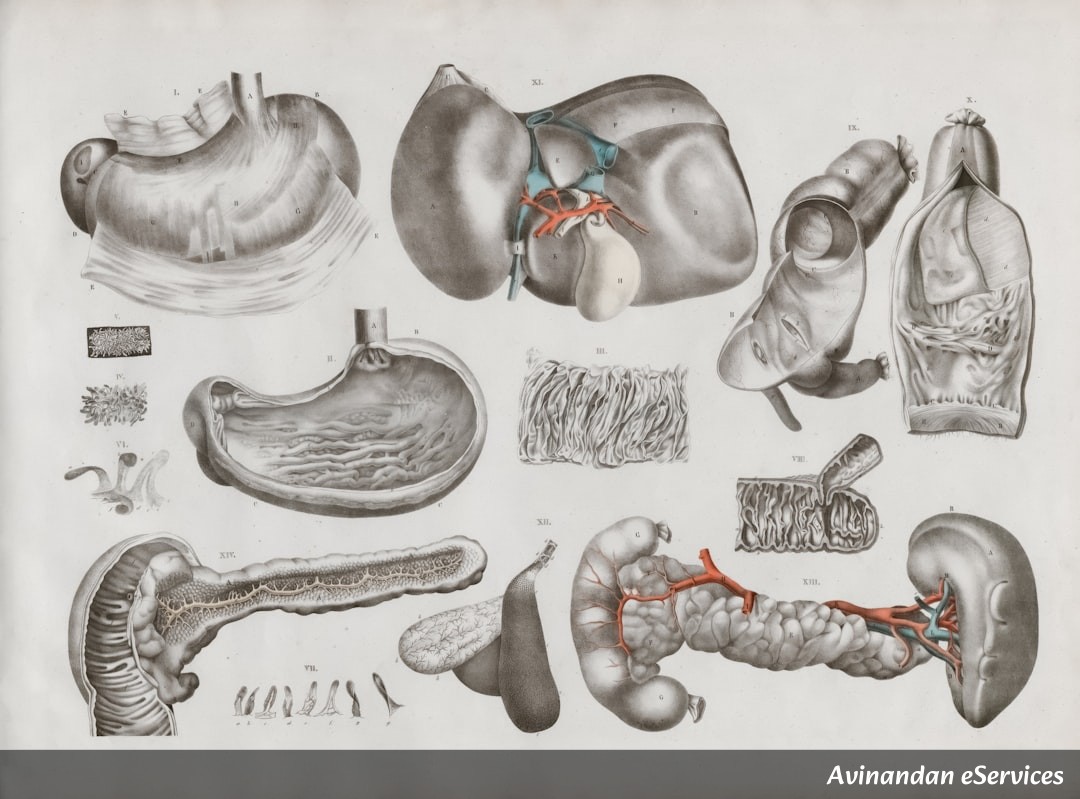
The digestive system consists of the Alimentary Canal (mouth to anus) and associated glands. Key components include:
- Mouth: Digestion begins here with salivary amylase breaking down starch.
- Oesophagus: Transports food to the stomach via peristalsis.
- Stomach: Uses Hydrochloric Acid (HCl) and Pepsin to break down proteins.
- Small Intestine: The primary site for nutrient absorption. It receives bile from the liver and pancreatic juices.
- Large Intestine: Responsible for water absorption and waste formation.
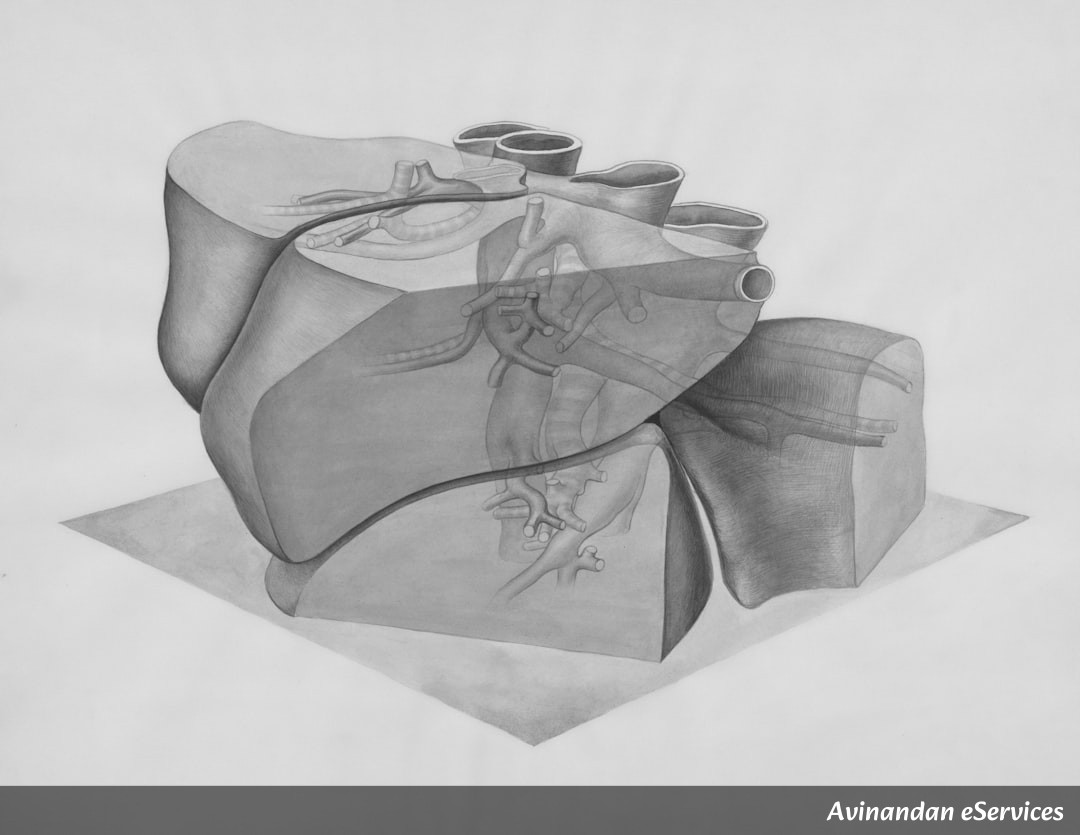
- Liver: Produces bile, which emulsifies fats.
Solved Examples (Step-by-Step)
Example 1: Which organ secretes bile?
Solution: The liver produces bile, which is stored in the gall bladder. Answer: Liver.
Example 2: What is the role of HCl in the stomach?
Solution: HCl creates an acidic environment for pepsin to function and kills bacteria ingested with food.
Example 3: Where is the maximum absorption of nutrients?
Solution: The small intestine, specifically the jejunum and ileum, is the site of maximum nutrient absorption due to the presence of villi.
Common Mistakes to Avoid
- Confusing the function of the liver (bile production) and the gall bladder (bile storage).
- Assuming digestion is completed in the stomach (it only starts there for proteins).
- Mixing up the order of the small intestine segments (Duodenum, Jejunum, Ileum).
- Ignoring the role of accessory glands like the pancreas.
Practice Questions with Solutions
Q1. Which enzyme is found in saliva? A: Salivary Amylase.
Q2. What is the length of the small intestine approximately? A: 6-7 meters.
Q3. Which part of the digestive tract absorbs water? A: Large Intestine.
Q4. Where is protein digestion initiated? A: Stomach.
Q5. What is the rhythmic contraction of the oesophagus called? A: Peristalsis.
Frequently Asked Questions (FAQs)
Q: Does the stomach digest everything?
A: No, the stomach primarily digests proteins; fats and carbohydrates require different enzymes.
Q: Why is bile important?
A: Bile breaks down large fat globules into smaller droplets (emulsification) to increase the surface area for enzymes.
Q: Where do the digestive enzymes for carbohydrates come from?
A: Primarily from the salivary glands and the pancreas.
Conclusion and Final Tips
The human digestive system is a scoring topic. Focus on identifying the site of action for specific enzymes. Use diagrams to visualize the pathway of food. Stay consistent with your revision, and you will surely excel in the General Science section of your RRB exam!