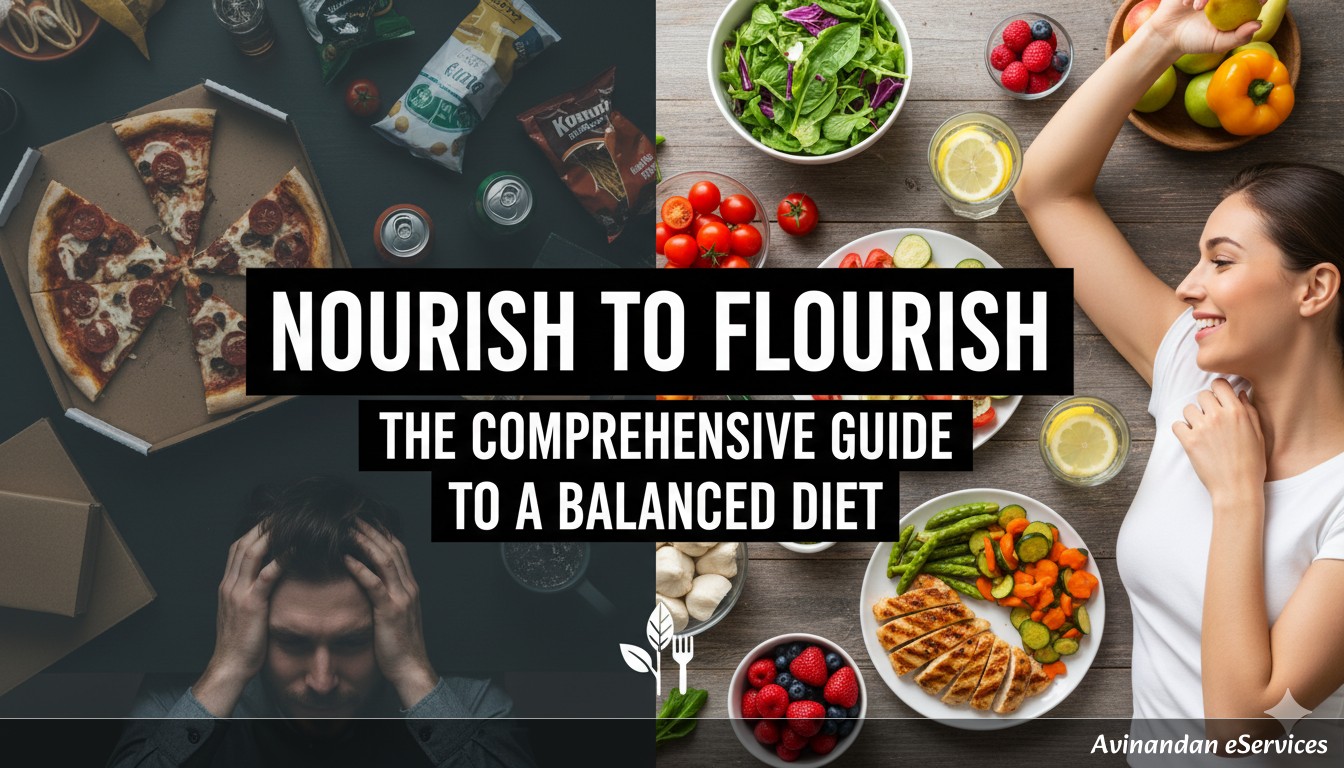
The Foundation of a Healthy Life: Understanding the Importance of a Balanced Diet
In our fast-paced world, the significance of a balanced diet can sometimes be overlooked. Yet, what we eat is fundamental to our overall health and well-being. A balanced diet is not about restrictive eating or depriving yourself of the foods you enjoy. Instead, it's about consuming a wide variety of foods in the right proportions to provide your body with the essential nutrients it needs to function optimally. These nutrients—including carbohydrates, proteins, fats, vitamins, minerals, and water—are the building blocks of a healthy body, supporting everything from energy levels and immune function to mental clarity.
The World Health Organization (WHO) emphasizes that a healthy diet helps protect against malnutrition in all its forms, as well as a range of noncommunicable diseases (NCDs) such as diabetes, heart disease, stroke, and certain types of cancer. Conversely, an unhealthy diet and lack of physical activity are leading global health risks. The choices we make about our food have a direct and lasting impact on our quality of life, making it crucial to understand the principles of a balanced diet and how to incorporate them into our daily routines.
The Cornerstones of a Balanced Diet: What to Include on Your Plate
A balanced diet is characterized by its diversity. Consuming a variety of foods from all the main food groups ensures that you receive a wide spectrum of nutrients. The NHS's Eatwell Guide provides a helpful visual representation of the ideal proportions of these food groups. Let's delve into the essential components of a healthy eating plan:
Fruits and Vegetables: The Power of Produce
Fruits and vegetables should make up a significant portion of your daily food intake. The WHO recommends consuming at least five portions (around 400 grams) of a variety of fruits and vegetables per day. They are packed with vitamins, minerals, fiber, and antioxidants, which are vital for maintaining a healthy immune system and reducing the risk of chronic diseases. Including a rainbow of colors on your plate—from leafy greens to bright red berries—will help ensure you're getting a diverse range of nutrients.
Starchy Carbohydrates: Fuel for Your Body
Starchy carbohydrates should constitute just over a third of the food you eat. These include potatoes, bread, rice, and pasta. It is advisable to opt for wholegrain varieties whenever possible, such as wholewheat pasta, brown rice, and potatoes with their skins on. Wholegrains are higher in fiber, which aids digestion, helps you feel fuller for longer, and can help to regulate blood sugar levels.
Proteins: The Body's Building Blocks
Proteins are essential for the growth and repair of our bodies. Good sources of protein include beans, pulses, fish, eggs, and lean meats. Meat is a significant source of protein, vitamins, and minerals, including iron and vitamin B12. It's recommended to choose lean cuts of meat and skinless poultry to reduce fat intake. Plant-based proteins, such as lentils, beans, and tofu, are also excellent choices and are often lower in fat.
Dairy and Alternatives: For Strong Bones
Milk and dairy products like cheese and yogurt are excellent sources of protein and calcium, which are crucial for maintaining strong and healthy bones. When choosing dairy products, it's beneficial to opt for lower-fat and lower-sugar options. For those who are lactose intolerant or follow a vegan diet, there are numerous dairy alternatives available, such as soya drinks and yogurts, which are often fortified with calcium.
Fats: Choosing the Right Kind
While it's important to limit your intake of foods high in saturated fat, some fats are essential for a healthy diet. Unsaturated fats, found in foods like avocados, nuts, seeds, and oily fish, are beneficial for heart health. The WHO recommends that total fat intake should not exceed 30% of your total energy intake, with a shift in consumption away from saturated and trans fats to unsaturated fats.
The Far-Reaching Benefits of a Balanced Diet
The positive impacts of a balanced diet \textend beyond physical health, influencing mental and emotional well-being as well.
Physical Health Advantages
- Disease Prevention: A healthy diet can significantly lower your risk of developing chronic conditions such as heart disease, type 2 diabetes, and some cancers.
- Healthy Weight Management: Eating a balanced diet helps you to maintain a healthy weight by providing the necessary nutrients without excess calories.
- Stronger Immune System: A diet rich in vitamins and minerals boosts your immune system, making you less susceptible to infections.
- Improved Digestive Health: High-fiber foods, such as fruits, vegetables, and whole grains, promote a healthy digestive system.
Mental and Emotional Well-being
The connection between our diet and mental health is increasingly being recognized. A nutritious diet can improve mood and cognitive function. Research suggests that diets rich in fruits, vegetables, and omega-3 fatty acids can have mood-stabilizing effects and may reduce the risk of depression. Conversely, diets high in processed foods and sugar have been linked to an increased risk of anxiety and depression.
Actionable Tips for a Healthier You
Adopting a balanced diet can seem daunting, but it's about making small, sustainable changes. Here are some practical tips to get you started:
- Plan Your Meals: Taking the time to plan your meals for the week can help you make healthier choices and avoid impulsive, less nutritious options.
- Read Food Labels: Understanding how to read food labels can help you make informed decisions about the foods you buy and consume.
- Control Portion Sizes: Being mindful of portion sizes is key to maintaining a healthy weight.
- Stay Hydrated: Drink plenty of fluids throughout the day. The UK government recommends 6 to 8 glasses daily. Water is the best choice, but lower-fat milk and sugar-free drinks also count.
- Limit Processed Foods: Highly processed foods are often high in salt, sugar, and unhealthy fats. Opt for whole, unprocessed foods as much as possible.
- Cook at Home: Cooking your own meals gives you control over the ingredients and allows you to make healthier choices.
- Don't Skip Breakfast: A healthy breakfast can provide you with the energy and nutrients you need to start your day.
The Takeaway: A Lifelong Journey of Wellness
Embracing a balanced diet is a journey, not a destination. It's about making conscious choices that nourish your body and mind for the long term. By understanding the principles of a healthy diet and incorporating these actionable tips into your daily life, you can unlock a wealth of benefits, from increased energy and vitality to a reduced risk of chronic diseases. Remember, it's not about perfection, but about making consistent, positive choices that support your overall well-being.
References
- World Health Organization (WHO) - https://www.who.int/news-room/fact-sheets/detail/healthy-diet
- NHS - https://www.nhs.uk/live-well/eat-well/how-to-eat-a-balanced-diet/
- Mayo Clinic - https://www.mayoclinic.org/healthy-lifestyle/nutrition-and-healthy-eating/in-depth/healthy-diet/art-20046267
Important Disclaimer
The information provided in this blog post is for educational purposes only and is not a substitute for professional medical advice, diagnosis, or treatment. Always seek the advice of your physician or other qualified health provider with any questions you may have regarding a medical condition. Never disregard professional medical advice or delay in seeking it because of something you have read in this blog post.