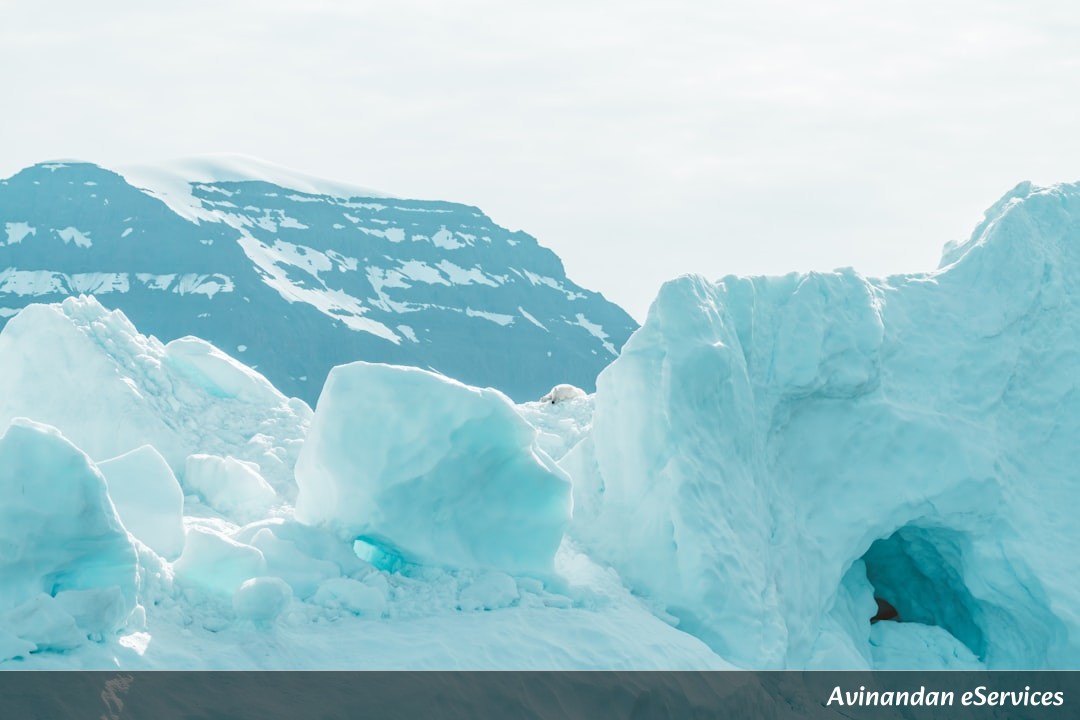
Rohan: Saanvi, I was reading this book about weird caves, and it said that some caves in the middle of hot summer days are actually freezing inside! How is that possible? Is there an invisible air conditioner hidden in the rocks?
Saanvi: That is a brilliant observation, Rohan! You are thinking of something called an 'Ice Cave' or a 'Cold-Trap Cave.' It is not magic, and it is definitely not an air conditioner, but it is one of nature’s coolest survival tricks.
Rohan: Wait, so the rocks just stay cold forever? Even if the sun is beating down on the mountain outside?
Saanvi: It is all about the shape of the cave, Rohan. Think of it like a giant kitchen freezer that opens from the top. These caves usually have an entrance that is higher than the rest of the cave tunnels. Because cold air is heavier and denser than warm air, it just sinks straight to the bottom of the cave during the winter.
Rohan: Oh! So the cold air flows inside during the winter and then it gets trapped there?
Saanvi: Exactly! Once the cold air settles into the lower parts of the cave, the warmer, lighter air outside can’t push it out. It is like trying to pour oil onto water—the warm air just floats right over the entrance. The ice that forms during the winter stays frozen all summer long because the cave walls act as thick insulation.
Rohan: That is wild! So the mountain itself is keeping the ice safe from the sun. Why is this important? Do people use these caves for anything besides hiding from the heat?
Saanvi: For a long time, these caves were vital. Before refrigerators were invented, people used these natural ice deposits to store food during the summer. Even today, scientists study these ice formations to learn about the Earth's climate from hundreds of years ago. By looking at the layers of ice, they can tell what the weather was like long before we had fancy weather satellites.
Rohan: I feel like I just discovered a secret superpower of the mountains. A freezer made of rocks!
So, What Did We Learn Today?
- Cold air is denser and heavier than warm air, which allows it to sink into deep, bowl-shaped caves.
- The unique shape of these caves prevents warm summer air from entering, keeping the cave floors frozen year-round.
- These 'Ice Caves' served as natural refrigerators for humans in the past and act as climate history books for scientists today.
Rohan: I am definitely going to keep an eye out for these on our next trek. Imagine hiking in the heat and finding a natural ice sculpture inside a mountain!