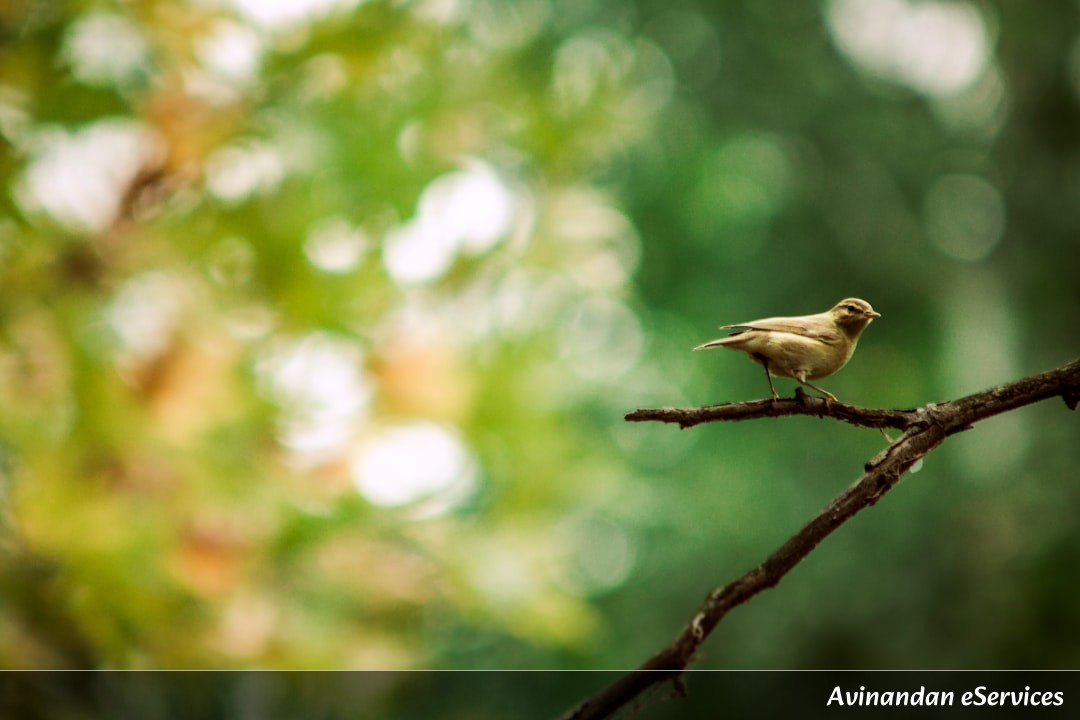
Kabir: Saanvi, you have to see this video! I was scrolling through some nature clips, and I genuinely thought my phone was ringing. But then the camera panned out, and it was just a bird sitting on a branch!
Saanvi: Oh, I bet I know which one that is. Was it a Superb Lyrebird from Australia?
Kabir: Yes! That’s exactly what it was. But Saanvi, it wasn't just ringing. It made the sound of a camera shutter clicking, a car alarm, and I swear I even heard it mimic a chainsaw. How is that even physically possible? Do they have a tiny speaker hidden in their feathers?
Saanvi: Haha, no speakers, Kabir! It’s all biological. While we humans use a larynx, or a voice box, birds use something much more complex called a syrinx. But the Lyrebird’s syrinx is like the ‘Pro Max’ version of vocal organs.
Kabir: Wait, a syrinx? Is that like our throat? I thought all animals made sounds the same way—by blowing air through their vocal cords.
Saanvi: Not quite. Our larynx is located at the top of our windpipe (the trachea). But a bird’s syrinx is located way further down, exactly where the windpipe splits into two tubes that go to the lungs. This position is the first secret to their amazing talent.
Kabir: So, because it's at the split, does that mean they can make two sounds at once?
Saanvi: Exactly! Because the syrinx sits at that junction, birds can actually control the air coming from each lung independently. They can produce two different notes at the same time, or even sing a duet with themselves! But for the Lyrebird, it goes even deeper than that.
Kabir: Wow, a one-bird band! But why is the Lyrebird so much better at it than, say, a crow or a pigeon? My neighbor’s pigeon just goes ‘coo-coo’ all day. It definitely can’t do a chainsaw impression.
Saanvi: That’s because of the muscles, Kabir. Most songbirds have about seven to nine pairs of complex muscles that control their syrinx. But the Lyrebird has a very unique arrangement. While they don't necessarily have *more* muscles than some other birds, their muscles are incredibly strong, flexible, and independently controlled by a very specialized part of their brain.
Kabir: So, it’s like their brain is a supercomputer for audio, and their syrinx is the high-end hardware?
Saanvi: That’s a great way to put it! Their brains have specific neural pathways dedicated to learning and mimicking sounds. Most birds only learn the songs of their parents or their own species. But the Lyrebird is an ‘open-ended learner.’ They spend their whole lives listening to the soundscape of the forest and adding new tracks to their playlist.
Kabir: That explains the camera sounds! Since people go into the forest to take photos of them, the birds just hear the ‘click-click’ and think, ‘Hey, that’s a cool sound, let me try that!’
Saanvi: Precisely. And the chainsaw sound you heard is actually a bit sad. Lyrebirds started mimicking chainsaws and axes because of deforestation in their habitats. They heard the sounds of trees being cut down and incorporated them into their songs. It shows just how much humans impact their environment.
Kabir: That is a bit sad. But why do they do it in the first place? Is it just for fun, or are they trying to trick other animals?
Saanvi: It’s mostly about dating, Kabir! The male Lyrebirds are the ones who do the heavy lifting when it comes to mimicry. During the mating season, they build a small mound of dirt—like a stage—and perform a massive concert. The more complex and diverse their song is, the more they impress the females.
Kabir: So, a female Lyrebird is thinking, ‘Wow, this guy can do a car alarm AND a kookaburra? He’s the one!’?
Saanvi: Pretty much! A wide variety of sounds tells the female that the male is old enough to have learned many things and has been healthy enough to survive while practicing his art. It’s a sign of intelligence and strength.
Kabir: It’s amazing that they can get the pitch and the texture so right. I mean, a chainsaw sounds nothing like a bird chirping. How do they get that ‘gritty’ mechanical sound?
Saanvi: It’s all about vibration control. Inside the syrinx, there are thin membranes called labia. By changing the tension of these membranes and the pressure of the air, they can create everything from a pure, whistling note to a harsh, buzzing noise. They are masters of physics without even knowing it!
Kabir: I wonder if a Lyrebird could mimic me talking?
Saanvi: They actually can! There are recordings of Lyrebirds in zoos mimicking the voices of zookeepers or children saying ‘hello.’ Since they are so good at copying frequency and rhythm, human speech is just another melody to them.
Kabir: That is both cool and slightly creepy. Imagine walking through the woods and hearing a bird say, ‘Have you finished your homework, Kabir?’ in your mom’s voice!
Saanvi: Haha! Thankfully, they usually stick to the sounds of their local environment. It’s like their song is a history book of everything that has happened in that part of the forest.
So, What Did We Learn Today?
- The Syrinx is Key: Unlike humans who use a larynx, birds use a vocal organ called a syrinx located at the base of their windpipe.
- Dual Sound Tracks: Because the syrinx is located where the trachea splits, birds can produce two different sounds simultaneously.
- Muscular Mastery: The Lyrebird has incredibly flexible and strong muscles in its syrinx, allowing it to control the pitch and texture of sounds with \textreme precision.
- Open-Ended Learning: Lyrebirds are among the few birds that continue to learn and mimic new sounds throughout their entire lives.
- Evolutionary Purpose: Male Lyrebirds use mimicry as a way to attract mates, proving their health and experience through the complexity of their "performance."
Kabir: I guess nature is the best recording studio in the world! I’m going to be much more careful about what I say next time I’m near a forest; I don’t want to become a part of a bird’s morning remix!