Introduction to Major Lakes and Waterfalls for RRB Exams
For aspirants of the Indian Railway Recruitment Board (RRB) exams, such as RRB NTPC, Group D, and Technician, General Awareness is a scoring yet vast section. Among the various sub-topics of Indian Geography, Major Lakes and Waterfalls in India hold significant importance. These geographical features are not only vital for the ecosystem but also serve as key landmarks often featured in competitive exams.
Understanding the location, the river associated, and the specific 'record-breaking' facts (like the largest, highest, or oldest) of these water bodies is crucial. This guide provides a comprehensive breakdown of India's most important lakes and waterfalls, designed specifically to help you tackle Static GK questions with ease and accuracy.
Topic Weightage and Importance
In RRB exams, General Awareness typically accounts for a substantial portion of the paper. Specifically, in RRB NTPC (CBT-1 and CBT-2) and RRB Group D, you can expect 1 to 2 questions directly related to Indian lakes or waterfalls. These questions usually focus on:
- The state where a particular lake or waterfall is located.
- The river on which a waterfall is formed.
- Unique characteristics (e.g., 'The only floating lake in the world').
- Largest freshwater vs. saltwater lakes.
Given the high competition, even a single mark can be the difference between selection and disqualification. Mastering this list ensures you don't lose easy marks on factual questions.
Key Concepts and Facts: Lakes in India
Lakes in India are classified based on their origin and water salinity. Here are the primary categories and key facts every RRB aspirant must know:
1. Types of Lakes
- Freshwater Lakes: These contain water with low concentrations of dissolved salts. Example: Wular Lake (J&K).
- Brackish/Saltwater Lakes: These have higher salinity. Example: Chilika Lake (Odisha).
- Tectonic Lakes: Formed due to the movement of the Earth's crust. Example: Wular Lake.
- Ox-bow Lakes: Formed when a meandering river is cut off from the main channel.
- Glacial Lakes: Formed by the melting of glaciers. Example: Gangabal Lake.
- Crater Lakes: Formed in the mouth of a volcano or by a meteor impact. Example: Lonar Lake.
2. Important Lakes at a Glance
| Lake Name | State/UT | Important Facts |
|---|---|---|
| Wular Lake | Jammu & Kashmir | Largest freshwater lake in India; formed by tectonic activity. |
| Chilika Lake | Odisha | Largest brackish water lagoon in India; UNESCO World Heritage site. |
| Vembanad Lake | Kerala | Longest lake in India; home to Nehru Trophy Boat Race. |
| Sambhar Lake | Rajasthan | India's largest inland salt lake. |
| Loktak Lake | Manipur | Largest freshwater lake in Northeast; famous for 'Phumdis' (floating islands). |
| Lonar Lake | Maharashtra | Formed by a meteorite impact (Saline/Soda lake). |
| Pulicat Lake | Andhra Pradesh/TN | Second largest brackish water lagoon in India. |
| Kolleru Lake | Andhra Pradesh | One of the largest freshwater lakes in India, located between Krishna and Godavari deltas. |
Key Concepts and Facts: Waterfalls in India
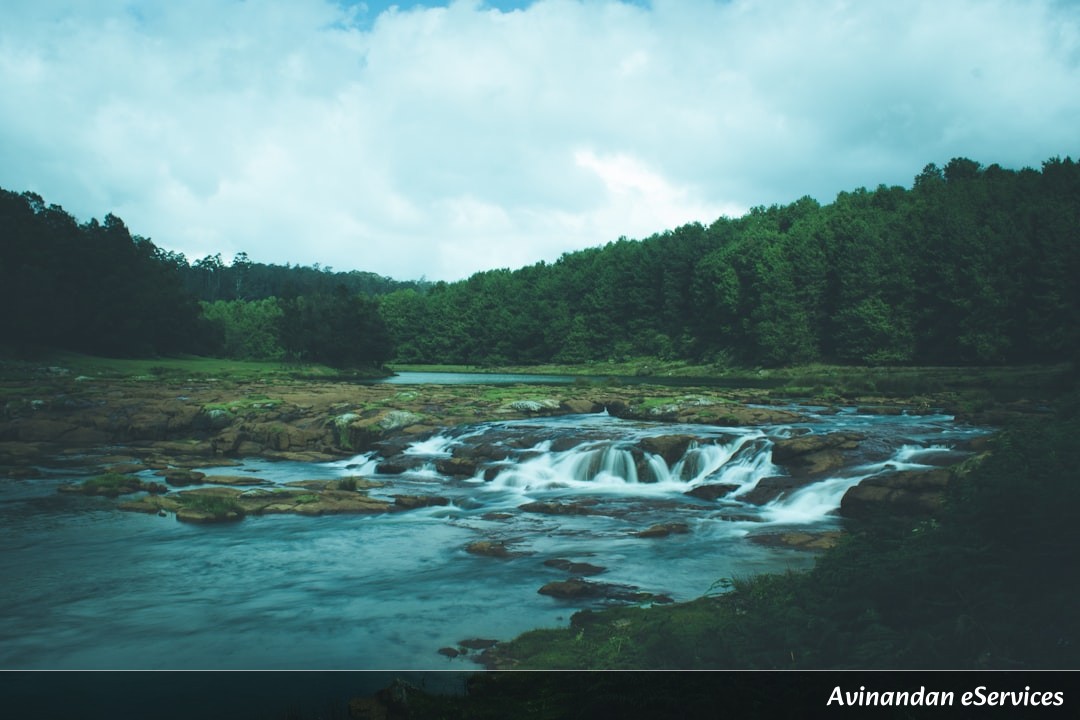
Waterfalls are usually formed in the upper course of a river where it flows over different bands of rock. In RRB exams, the most common questions involve matching the waterfall to its respective river and state.
Major Waterfalls in India
| Waterfall | River | State | Key Fact |
|---|---|---|---|
| Kunchikal Falls | Varahi River | Karnataka | Highest waterfall in India (approx. 455 meters). |
| Jog Falls (Gersoppa) | Sharavati River | Karnataka | One of the highest untiered waterfalls in India. |
| Dudhsagar Falls | Mandovi River | Goa | Known as the 'Sea of Milk' due to its appearance. |
| Shivanasamudra Falls | Cauvery River | Karnataka | Used for the first hydroelectric power plant in Asia (1902). |
| Hundru Falls | Subarnarekha River | Jharkhand | A major tourist attraction in Ranchi. |
| Dhuandhar Falls | Narmada River | Madhya Pradesh | Famous for the 'smoky' mist created by the water force in Bhedaghat. |
| Chitrakote Falls | Indravati River | Chhattisgarh | Often called the 'Niagara Falls of India'. |
| Nohkalikai Falls | Rainwater-fed | Meghalaya | Tallest plunge waterfall in India. |
Solved Examples (Step-by-Step)
Example 1: Which of the following is the largest freshwater lake in India?
A) Chilika Lake
B) Wular Lake
C) Sambhar Lake
D) Pulicat Lake
Solution: B) Wular Lake.
Step 1: Identify the requirement - 'Largest Freshwater'.
Step 2: Recall that Chilika and Pulicat are brackish/saltwater lagoons. Sambhar is an inland salt lake.
Step 3: Wular Lake in Jammu & Kashmir is the correct answer.
Example 2: The 'Niagara Falls of India', Chitrakote Falls, is located on which river?
A) Narmada
B) Cauvery
C) Indravati
D) Krishna
Solution: C) Indravati.
Step 1: Identify the nickname 'Niagara of India' belongs to Chitrakote Falls.
Step 2: Recall the geography of Chhattisgarh where this waterfall is located.
Step 3: The Indravati river flows through this region and forms the waterfall.
Common Mistakes to Avoid
- Confusing Highest vs. Tallest: Kunchikal is generally considered the highest (multi-tiered), while Nohkalikai is the tallest plunge waterfall (single drop). Read the question carefully.
- Mixing Saltwater and Freshwater: Many students confuse Chilika (saltwater lagoon) with Wular (freshwater). Remember: 'C' for Chilika, 'C' for Coast (Saltwater).
- State Mismatch: Don't confuse the location of Jog Falls (Karnataka) with Dudhsagar (Goa). They are on the same western belt but in different states.
- River Association: Often, aspirants forget the river names for waterfalls. Use mnemonics (e.g., 'Narmada is Dhuandhar/Smoky').
Practice Questions with Solutions
Q1. In which state is the Loktak Lake located?
A) Assam
B) Meghalaya
C) Manipur
D) Mizoram
Q2. Shivanasamudra Falls is situated on the banks of which river?
A) Krishna
B) Godavari
C) Cauvery
D) Mahanadi
Q3. Lonar Lake, a famous crater lake, is situated in which state?
A) Gujarat
B) Maharashtra
C) Rajasthan
D) Madhya Pradesh
Q4. Which is the longest lake in India?
A) Pangong Tso
B) Vembanad Lake
C) Kolleru Lake
D) Dal Lake
Q5. On which river is the Dhuandhar Falls located?
A) Tapti
B) Narmada
C) Chambal
D) Son
Solutions:
1. C) Manipur (Famous for Keibul Lamjao, the only floating national park).
2. C) Cauvery (Located in Karnataka).
3. B) Maharashtra (Located in Buldhana district).
4. B) Vembanad Lake (Kerala, spans over 96 km).
5. B) Narmada (Located near Jabalpur, Madhya Pradesh).
Frequently Asked Questions (FAQs)
1. Which is the largest saline lake in India?
Chilika Lake in Odisha is the largest brackish water (saline) lake/lagoon in India. However, the largest inland salt lake is Sambhar Lake in Rajasthan.
2. Why is Loktak Lake famous?
Loktak Lake is famous for its 'Phumdis', which are heterogeneous masses of vegetation, soil, and organic matter at various stages of decomposition. It also houses the Keibul Lamjao National Park, the world's only floating national park.
3. What is the difference between Jog Falls and Kunchikal Falls?
Kunchikal Falls is the highest waterfall in India (455m) and is a tiered waterfall. Jog Falls (253m) is a plunge waterfall where the water drops directly without hitting rocks midway. Both are located in Karnataka.
Conclusion and Final Tips
Mastering the Major Lakes and Waterfalls of India is a strategic move for any RRB aspirant. These facts are static, meaning once you learn them, they stay relevant for all future exams. To remember them better, try using a physical map of India and mark these locations. Visual learning often helps in retaining geographical data longer than rote memorization.
Keep revising the tables provided in this guide, and practice as many mock tests as possible. Consistent effort and attention to detail are the keys to cracking RRB NTPC, Group D, and Technician exams. Good luck with your preparation!