Rohan: Priya, you won’t believe what I saw in my biology textbook today! I mean, I know chameleons can change color to hide from predators, but it said there is a plant that does the exact same thing with its leaves. Is that even possible?
Priya: You must be talking about Boquila trifoliolata, Rohan! It is one of the most mysterious plants in the world. It’s a climbing vine found in the temperate rainforests of Chile and Argentina, and it is a literal master of disguise.
Rohan: A master of disguise? But plants don't have eyes or a brain! How can a vine know what the plant next to it looks like? I thought plants just grew leaves based on their DNA and stayed that way.
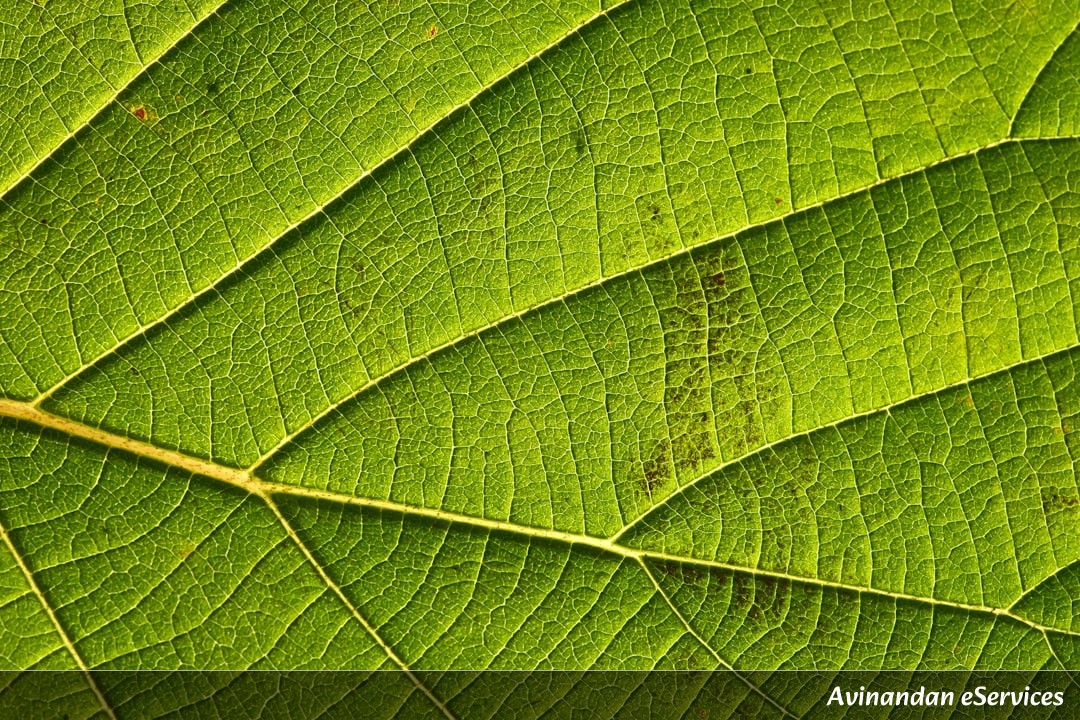
Priya: That’s what scientists used to think too! Most plants have a set leaf shape. For example, a mango tree always has mango-shaped leaves. But Boquila is different. As it climbs up different host trees, it actually changes its own leaves to match the tree it’s touching. It can change their size, their shape, their color, and even the pattern of the veins on the leaf!
Rohan: Wait, so if it climbs a tree with tiny, pointy leaves, its leaves become tiny and pointy? And if it moves to a tree with big, round leaves, they turn big and round?
Priya: Exactly! And here is the truly mind-blowing part: a single Boquila vine can mimic several different plants at the same time. If one part of the vine is touching a shrub, those leaves will look like the shrub. If the top part of the same vine reaches a different tree, those higher leaves will transform to match that tree. It’s like wearing three different costumes at once!
Rohan: Wow, that is like a superpower! But Priya, how does it do it? Does it suck the information out of the other tree like a vampire?
Priya: Haha, not quite! Scientists are actually debating how this works because it’s so unusual. There are two main theories. The first is called 'Horizontal Gene Transfer.' Some researchers think that microbes, like bacteria or viruses, might carry genetic information from the host tree into the vine, telling it how to grow.
Rohan: So the bacteria act like a USB drive carrying a blueprint? That’s cool, but it sounds a bit complicated. What’s the other theory?
Priya: The second theory is even crazier. Some scientists believe the plant might actually have a very basic form of 'vision.' They think the plant has tiny cells on its surface that act like simple lenses, called ocelli. These lenses might allow the plant to 'see' the shapes and colors of the leaves around it and then signal the vine to change its growth pattern.
Rohan: No way! Plant eyes? That sounds like something out of a science fiction movie. Has anyone proven it?
Priya: Well, a very famous experiment was done where they placed a Boquila vine next to an artificial plastic plant. Guess what happened? The vine actually tried to mimic the shape of the plastic leaves! Since the plastic plant wasn't alive, it couldn't have been sharing genes or chemicals, which makes the 'vision' theory look much more likely.
Rohan: That is unbelievable. But why does the plant go through all that trouble? Is it just trying to be trendy?
Priya: It’s all about survival, Rohan. In the rainforest, there are lots of hungry herbivores—animals that eat plants. By mimicking the leaves of the trees around it, the Boquila vine becomes invisible to these animals. If an animal thinks the vine is just part of a tree it doesn't like to eat, it will leave the vine alone. It’s the ultimate camouflage!
Rohan: It’s like a biological invisibility cloak! Science is so much weirder than I thought. I’m going to look at the vines in our garden much more closely from now on.
Priya: You should! While most vines aren't as advanced as Boquila, plants are constantly communicating and reacting to their environment in ways we are only just beginning to understand.
So, What Did We Learn Today?
- The Chameleon Vine: Boquila trifoliolata is a unique plant that can change its leaf shape, size, and color to match its host tree.
- Multiple Mimicry: A single vine can mimic several different species of plants simultaneously depending on what it is touching.
- The Mystery of How: Scientists believe the plant might use 'Horizontal Gene Transfer' via microbes or a form of 'plant vision' using light-sensing cells.
- Survival Strategy: This mimicry is a form of camouflage that protects the vine from being eaten by herbivores.
- Artificial Mimicry: The plant has even been observed attempting to mimic the shape of plastic leaves, suggesting it reacts to visual cues.
Rohan: Thanks, Priya! I guess I should be careful what I wear next to a Boquila vine, or it might start trying to look like my t-shirt!
Priya: Haha, maybe stick to green shirts just in case, Rohan!