Aarav: Hey Priya, check this out! I was watching a documentary about the Apollo astronauts, and I noticed something weird. When they got back inside their lunar module after walking on the Moon, they were covered in grey dust. But then, one of them said something that made no sense. He said the Moon has a smell!
Priya: Oh, I know exactly what you’re talking about, Aarav! It’s one of the most mysterious things about the Moon. Even though there is no air on the Moon to carry scents, the astronauts brought the smell inside with them on their spacesuits.
Aarav: But wait, that’s impossible! How can you smell something in a vacuum? And what could a giant rock in space possibly smell like? I bet it smells like... well, just old rocks?
Priya: You would think so! But every astronaut who stepped onto the lunar surface—from Neil Armstrong to Gene Cernan—reported the same thing. They said that as soon as they repressed their cabin and took off their helmets, they were hit by a very distinct aroma. They described it as 'spent gunpowder' or the smell of a firecracker that just went off.
Aarav: Gunpowder? Like at a Diwali celebration? That is so cool! But why? Is the Moon made of fireworks?
Priya: Haha, no, it’s not made of fireworks. Scientists call the Moon's soil 'regolith.' On Earth, our rocks and dirt are worn down by wind and rain for millions of years, which makes them smooth and round. But the Moon has no weather. Instead, it gets hit by tiny meteorites for billions of years, which smashes the rocks into tiny, jagged, glass-like shards.
Aarav: Ouch! So the dust is actually like tiny pieces of broken glass?
Priya: Exactly. And because there’s no air, those tiny shards stay very sharp. They also get 'charged up' by the solar wind—which is a stream of particles from the Sun. This makes the dust \textremely static-y. It sticks to everything! It stuck to the astronauts' boots, their gloves, and their tools. When they climbed back into their ship, they tracked that dust inside.
Aarav: Okay, so the dust is inside the ship. But why does it smell like gunpowder once it hits the air?
Priya: That is the million-dollar question! Here’s the crazy part: back on Earth, when scientists study Moon rocks in a lab, they don't smell like anything at all! The 'gunpowder' smell only exists right when the fresh Moon dust meets the oxygen and moisture inside a spacecraft.
Aarav: So it’s like a chemical reaction? Like the dust is 'waking up' when it touches air?
Priya: That’s one of the leading theories. Scientists think that because the dust has been in a vacuum for billions of years, it has 'dangling chemical bonds.' When it suddenly hits oxygen, those bonds snap together, causing a chemical reaction that releases that smoky, metallic smell. It’s like a tiny, invisible fire on the surface of every dust grain!
Aarav: Wow! Did the astronauts like the smell, or was it gross? I love the smell of sparklers, but I wouldn't want to live in it.
Priya: Most of them thought it was fascinating, but it actually caused some problems. One astronaut, Harrison Schmitt, actually suffered from 'Lunar Hay Fever.' His nose got all stuffed up and he couldn't stop sneezing because the dust irritated his lungs. Since the dust is so sharp, it’s actually quite dangerous to breathe in.
Aarav: I never thought about that. Space is dangerous in ways you don't even expect. So, if I ever go to the Moon, I should bring a really good vacuum cleaner?
Priya: Definitely! Future astronauts will have to find ways to keep that dust out of their living quarters because it’s so abrasive. It can even wear through layers of Kevlar on spacesuits! It’s like the ultimate grit.
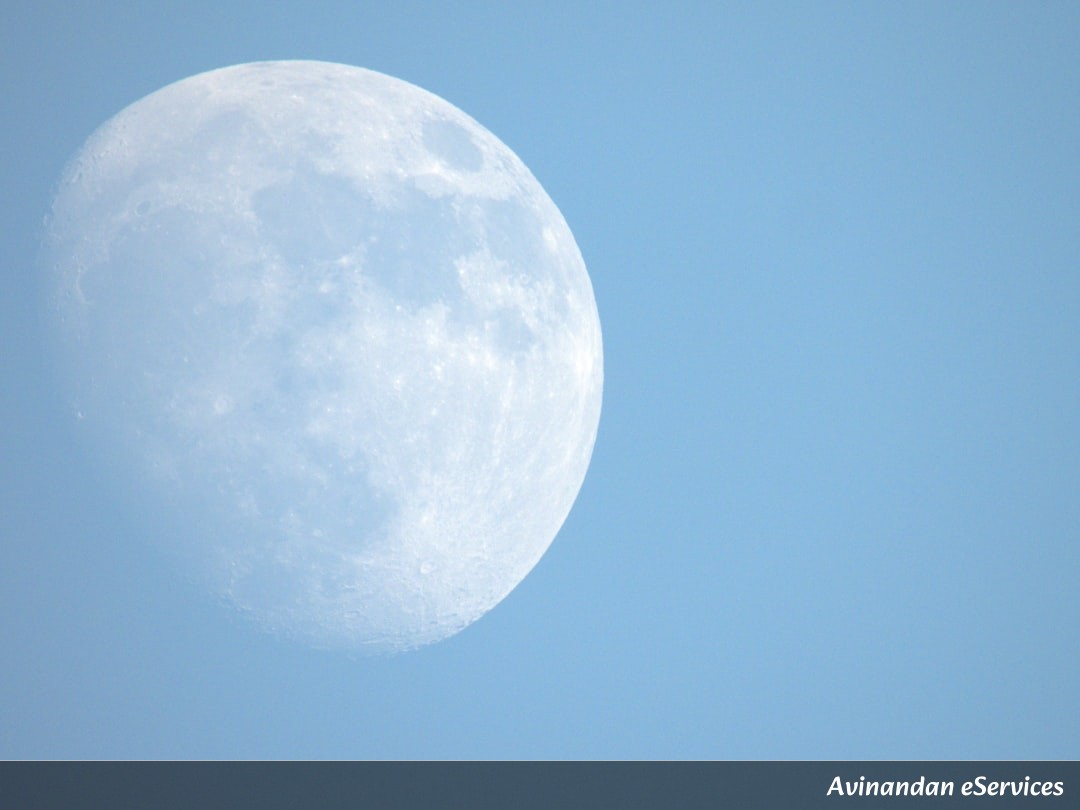
Aarav: That is wild. The Moon looks so peaceful and soft from my balcony, but it’s actually covered in sharp, smelly, electric glass. Science is way weirder than science fiction!
So, What Did We Learn Today?
- Priya: We learned that the Moon has a very specific smell, often described by astronauts as 'spent gunpowder' or 'burnt matches.'
- Aarav: We found out that you can't smell the Moon outside because there’s no air, but the dust sticks to spacesuits and reacts with the oxygen inside the ship!
- Priya: We discovered that moondust, or regolith, is made of sharp, glass-like shards because there is no wind or water on the Moon to smooth them down.
- Aarav: And we learned that the smell might be caused by a chemical reaction when the 'charged' dust particles meet the air for the first time in billions of years!
Aarav: Thanks, Priya! Next time I look at the Moon, I’m going to imagine it’s a giant, smoky firecracker floating in the sky.