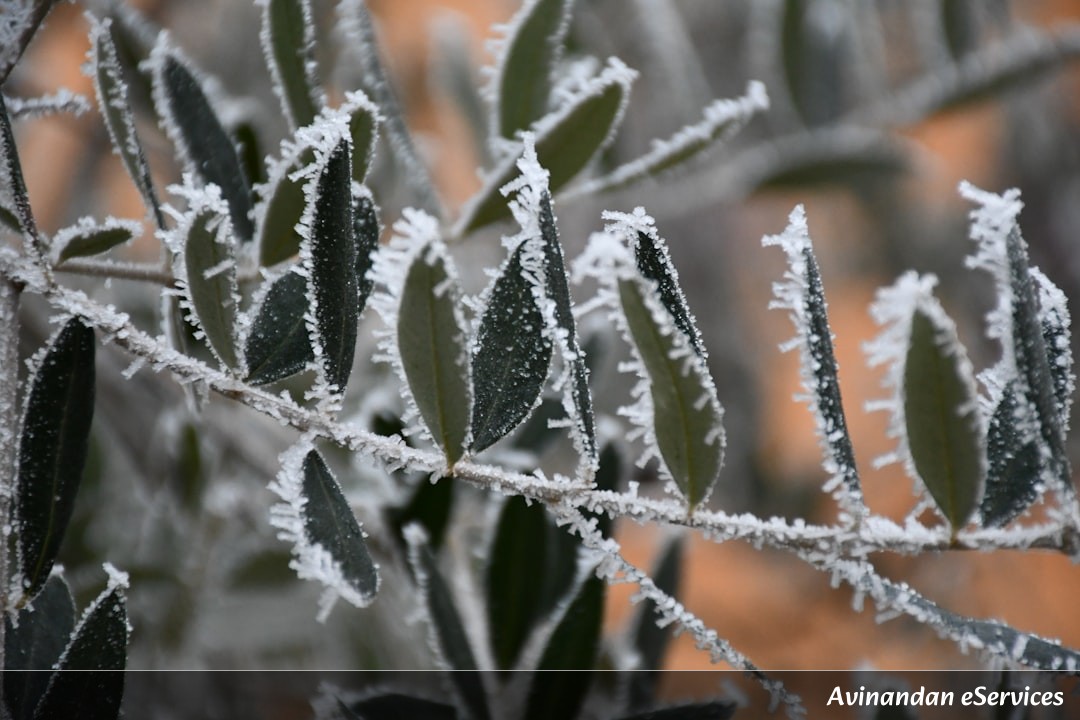
Vikram: Priya, come look at this! I was walking through the edge of the woods behind the park, and I saw something totally impossible. There is still snow everywhere from last night, but I found this weird, purple-looking plant that is sitting in a perfect circle of melted mud. It looks like it has its own personal heater!
Priya: Oh, you found an Eastern Skunk Cabbage! You’re actually right, Vikram. It doesn’t just look like it has a heater—it actually is a heater. That plant is doing something called thermogenesis.
Vikram: Thermo-what? You mean like a thermos that keeps my cocoa hot? Is the plant just really good at holding onto the sun's warmth?
Priya: Not exactly. A thermos just traps heat, but this plant actually generates its own heat from the inside, just like you and I do! While most plants are the same temperature as the air around them, the Skunk Cabbage can make itself 15 to 35 degrees Celsius warmer than the freezing air.
Vikram: No way! Plants don't have muscles to shiver, and they don't have warm blood. How can a leaf possibly get hot enough to melt snow? Is it magic?
Priya: It’s better than magic; it’s cellular biology! Do you remember learning about mitochondria in science class? The "powerhouse" of the cell?
Vikram: Yeah, they turn nutrients into energy, right? ATP, if I remember correctly.
Priya: Exactly. Usually, mitochondria are very efficient. They take the energy from the food the plant makes and store it in ATP molecules. But thermogenic plants like the Skunk Cabbage have a special trick. They have an "alternative oxidase pathway." Basically, they tell their mitochondria to skip the step of making energy and instead just burn all that fuel as pure heat.
Vikram: So, it’s like a car engine that’s revving really fast but staying in neutral? It just gets hotter and hotter because it’s not using the energy to move?
Priya: That is a perfect analogy, Vikram! By burning through its stored starches at a super-fast rate, the plant creates enough thermal energy to melt through the frozen ground and the snow. That’s why you saw it sitting in a little puddle of melted ice.
Vikram: That is wild. But why would a plant want to be hot? Isn't that a waste of food? It must have worked hard to store all that starch in its roots.
Priya: It’s a survival strategy. By melting the snow early in the spring—sometimes even in February—the Skunk Cabbage gets a head start. It blooms before any other flowers are out. This means it doesn't have to compete for space or attention. But there’s a second, grosser reason why it gets warm.
Vikram: Gross? I like gross. Tell me!
Priya: Well, have you ever noticed that warm things smell stronger? Think about a hot pizza versus a cold one.
Vikram: Yeah, I can smell the hot pizza from across the house!
Priya: Exactly. The Skunk Cabbage produces a very specific smell—it’s called a Skunk Cabbage because it smells like rotting meat and skunk spray. By heating up its flowers, it helps that "stinky" scent spread further through the cold air. This attracts flies and stoneflies that are looking for a warm place to hide or something dead to eat. They crawl inside the plant’s hood, get covered in pollen, and then carry that pollen to the next warm, stinky plant!
Vikram: So it’s a heated, stinky hotel for flies? That’s brilliant! Are there other plants that do this, or is it just this one weird cabbage?
Priya: There are a few others! The famous Titan Arum—the "Corpse Flower" from Sumatra—is also thermogenic. It can grow over three meters tall and heats up to smell like a giant pile of rotting trash to attract beetles. Even the Sacred Lotus can regulate its temperature. Scientists think it helps the pollinators stay active by giving them a warm place to rest while they work.
Vikram: I never thought I’d be jealous of a plant’s metabolism. Imagine if I could just turn on my "internal heater" when I’m waiting for the school bus in the winter!
Priya: We actually do have a version of that! Humans have a tiny bit of "brown fat" that generates heat similarly, especially babies. But we aren't quite as good at melting snow as the Skunk Cabbage is.
Vikram: Science is so strange. A plant that breathes hard to stay warm and smells like a skunk to make friends with flies. I’m going to go back and see if I can feel the warmth with my hand!
Priya: Just don't get too close to the smell, Vikram, or you might need a very long bath!
So, What Did We Learn Today?
- Thermogenesis: Some plants, like the Eastern Skunk Cabbage, can generate their own heat internally, which is very rare in the plant kingdom.
- The Mitochondrial Trick: These plants use an alternative oxidase pathway to turn stored starch into heat instead of chemical energy (ATP).
- Survival Advantage: Heating up allows the plant to melt through snow and bloom earlier than competitors in the spring.
- Pollination Helper: The heat helps evaporate foul-smelling chemicals that attract specific pollinators like flies and beetles, even in cold weather.
- Other Examples: The Titan Arum (Corpse Flower) and the Sacred Lotus are also members of the "thermogenic plant" club.
Vikram: I guess the Skunk Cabbage is proof that you don't need to be pretty or sweet-smelling to be a total genius of nature!