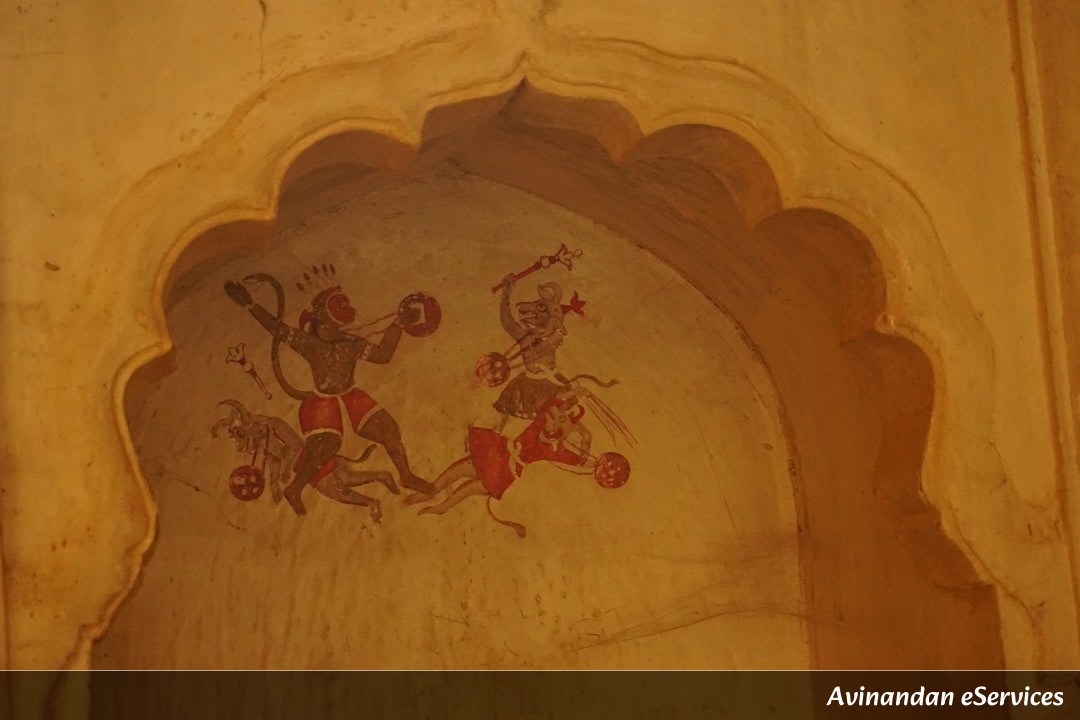
Introduction to The Gupta Empire for RRB Exams
The Gupta Empire, which ruled from approximately 319 CE to 550 CE, is famously known as the 'Golden Age of India'. For aspirants of RRB NTPC, Group D, and Technician exams, this topic holds immense significance under the General Awareness section. This era was marked by unparalleled progress in science, mathematics, literature, astronomy, and the arts. Understanding the chronology of the Gupta rulers, their administrative strategies, and their cultural contributions is essential for cracking the history questions in railway recruitment exams.
During this period, the Indian subcontinent was unified under a strong central government, leading to economic prosperity and intellectual heights. Whether it is the 'Napoleon of India' or the 'Navratnas' of Vikramaditya, the Gupta dynasty is a goldmine for multiple-choice questions (MCQs).
Topic Weightage and Importance
In the General Awareness syllabus for RRB exams, Ancient Indian History contributes about 3-5 questions. Out of these, the Gupta Empire frequently accounts for 1 to 2 dedicated questions. The exams often focus on specific titles of kings, court poets, literary works, and scientific discoveries of this era. Given the high competition in RRB NTPC and Group D, missing out on these factual and high-scoring questions could impact your final merit score. Therefore, a deep dive into this 'Golden Age' is highly recommended for every serious candidate.
Key Concepts and Facts of the Gupta Empire
1. The Rulers of the Gupta Dynasty
- Sri Gupta: The founder of the dynasty (approx. 240-280 CE). He took the title of 'Maharaja'.
- Chandragupta I (319–334 CE): Considered the first powerful ruler. He started the Gupta Era in 319-20 CE. He married Kumaradevi, a Lichchhavi princess, and took the title 'Maharajadhiraja'.
- Samudragupta (335–375 CE): Known as the 'Napoleon of India' (named by V.A. Smith) due to his \textensive military conquests. The Prayag Prashasti (Allahabad Pillar Inscription), composed by his court poet Harisena, provides a detailed account of his victories. He was also a lover of music, often depicted playing the Veena on his coins.
- Chandragupta II (380–412 CE): Also known as Vikramaditya. He defeated the Shakas and took the title 'Shakari'. The famous Chinese traveler Fa-Hien visited India during his reign. His court was adorned by nine gems known as the Navratnas (including Kalidasa and Varahamihira).
- Kumaragupta I (413–455 CE): He founded the world-famous Nalanda University. He was a worshipper of Lord Kartikeya.
- Skandagupta (455–467 CE): He is credited with saving India from the Huna invasions. He restored the Sudarshana Lake.
2. Administration and Economy
The Gupta administration was decentralized compared to the Mauryas. The empire was divided into provinces called Bhuktis, governed by Uparikas. Districts were called Vishayas, managed by Vishayapatis. Trade flourished, especially with the Roman Empire and South-East Asia. Gold coins were known as Dinars, while silver coins were called Rupyaka.
3. Literature, Science, and Art
This era saw the peak of Sanskrit literature and scientific innovation:
- Literature: Kalidasa wrote masterpieces like Abhijnanashakuntalam, Meghaduta, and Raghuvaṃsa. Vishakhadatta wrote Mudrarakshasa.
- Science: Aryabhatta authored Aryabhatiya, explaining the causes of eclipses and the concept of zero. Varahamihira wrote Pancha-Siddhantika and Brihat Samhita.
- Art: The development of the Nagara style of temple architecture began. Famous examples include the Dashavatara Temple at Deogarh.
Solved Examples (Step-by-Step)
Example 1: Which Gupta ruler is known as the 'Napoleon of India'?
Answer: Samudragupta.
Explanation: Historian V.A. Smith called him the Napoleon of India because of his brilliant military campaigns and the fact that he was never defeated in battle, as recorded in the Allahabad Pillar Inscription.
Example 2: During the reign of which Gupta king did the Chinese traveler Fa-Hien visit India?
Answer: Chandragupta II (Vikramaditya).
Explanation: Fa-Hien visited India between 399-414 CE to collect Buddhist manuscripts and study at Buddhist monasteries. His accounts provide valuable information about the social and religious conditions of the Gupta period.
Example 3: Who founded the Nalanda University during the Gupta period?
Answer: Kumaragupta I.
Explanation: Kumaragupta I established Nalanda University in Bihar, which later became one of the most prestigious centers of learning in the ancient world, attracting students from across Asia.
Common Mistakes to Avoid
- Confusing Rulers: Many students confuse Chandragupta Maurya (Maurya Dynasty) with Chandragupta I or II (Gupta Dynasty). Remember, the Mauryas came much earlier.
- Mixing Titles: Don't confuse 'Maharajadhiraja' (Chandragupta I) with 'Vikramaditya' (Chandragupta II).
- Inscriptions: Students often forget that the Prayag Prashasti is related to Samudragupta, not Chandragupta II.
- Coinage: Do not confuse Dinars (Gold) with Rupyaka (Silver). RRB often swaps these in options to confuse candidates.
Practice Questions with Solutions
1. Who was the court poet of Samudragupta?
2. What was the silver coin issued by the Guptas called?
3. The Iron Pillar at Mehrauli is associated with which king?
4. Who wrote the famous book 'Surya Siddhanta'?
5. Which Gupta ruler assumed the title 'Kaviraja'?
6. The Huna invasion first took place during the reign of whom?
Solutions:
- Harisena: He composed the Allahabad Pillar Inscription (Prayag Prashasti).
- Rupyaka: Gold coins were Dinars, and silver coins were Rupyaka.
- Chandragupta II: The Mehrauli Iron Pillar is famous for its rust-resistant properties.
- Aryabhatta: He was a pioneer in Indian mathematics and astronomy.
- Samudragupta: He was called Kaviraja (King of Poets) due to his interest in poetry and music.
- Skandagupta: He successfully repelled the first major Huna invasion.
Frequently Asked Questions (FAQs)
Q1: Why is the Gupta period called the Golden Age?
A: It is called the Golden Age due to massive achievements in literature (Kalidasa), science (Aryabhatta), mathematics (discovery of zero/decimal system), and the relative peace and prosperity across the empire.
Q2: Who was the last great ruler of the Gupta Dynasty?
A: Skandagupta is generally considered the last of the great Gupta emperors, after whom the empire began to decline due to Huna invasions and internal weak successors.
Q3: What was the official language of the Gupta Empire?
A: Sanskrit was the official language, and it reached its classical peak during this era.
Conclusion and Final Tips
Mastering the Gupta Empire is a strategic way to secure marks in the RRB General Awareness section. Focus on the individual achievements of kings like Samudragupta and Chandragupta II, and memorize the list of famous literary works. Use tables to differentiate between the coins, titles, and court poets. Consistency is key—revise these facts weekly to ensure they stay fresh in your memory. Good luck with your RRB NTPC, Group D, and Technician exam preparation!