Introduction to the Human Excretory System for RRB Exams
In the high-stakes world of Indian Railway Recruitment Board (RRB) exams, General Science—specifically Biology—is a cornerstone of the syllabus. Among the various biological systems, the Human Excretory System is a high-yield topic that frequently appears in RRB NTPC, Group D, and Technician papers. Excretion is the biological process by which an organism eliminates metabolic waste products from its body. In humans, this process is primarily managed by the urinary system, which ensures that toxic substances like urea and excess salts do not accumulate to dangerous levels.
Understanding this system is not just about memorizing the names of organs; it is about understanding how the body maintains homeostasis (internal balance). This guide will break down the complex mechanisms of the kidney, the structural unit known as the nephron, and the process of urine formation into easy-to-digest sections tailored for competitive exam success.
Topic Weightage and Importance
Based on the analysis of previous years' RRB NTPC and Group D question papers, the General Science section accounts for roughly 25-30% of the total marks. Within Biology, the Human Excretory System usually contributes 1 to 2 direct questions per shift. These questions typically focus on the functional unit of the kidney, the type of nitrogenous waste produced by humans, and the roles of different parts of the nephron. Mastering this topic provides a significant advantage, as the concepts are static and, once understood, can be answered quickly, saving valuable time for the Mathematics and Reasoning sections.
Key Concepts and Anatomy
The human excretory system consists of several organs that work in harmony to filter blood and expel waste. Let us look at the primary components and their functions:
1. The Primary Excretory Organs
- Kidneys: A pair of bean-shaped organs located on either side of the vertebral column. They are the main filters of the body.
- Ureters: Two thin tubes that carry urine from the kidneys to the urinary bladder.
- Urinary Bladder: A muscular sac that stores urine until it is excreted.
- Urethra: The canal through which urine is discharged from the body.
2. The Kidney Structure
The kidney is divided into two main regions: the outer Cortex and the inner Medulla. The functional and structural unit of the kidney is the Nephron. Each kidney contains approximately 1 million nephrons.
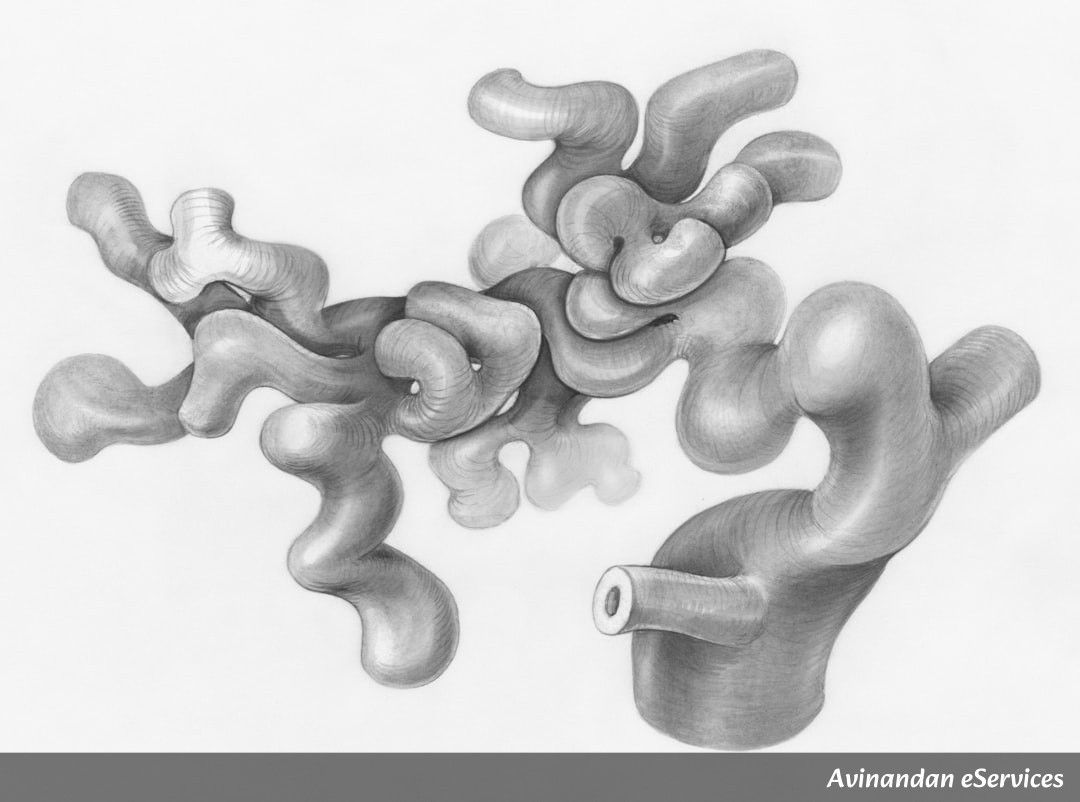
3. The Nephron: The Microscopic Filter
The nephron is composed of two main parts: the Renal Corpuscle and the Renal Tubule. Understanding these is crucial for RRB exams:
| Part of Nephron | Function |
|---|---|
| Glomerulus | A tuft of capillaries that performs high-pressure filtration of blood. |
| Bowman's Capsule | A cup-like structure that collects the filtrate from the glomerulus. |
| Proximal Convoluted Tubule (PCT) | Reabsorbs essential nutrients like glucose, amino acids, and 70-80% of electrolytes. |
| Loop of Henle | Maintains the concentration of urine by reabsorbing water and salts. |
| Distal Convoluted Tubule (DCT) | Responsible for conditional reabsorption of sodium and water. |
| Collecting Duct | Collects urine from multiple nephrons and concentrates it further. |
4. Types of Nitrogenous Wastes
In the animal kingdom, excretion varies based on the environment. RRB often asks comparative questions on this:
- Ammonotelic: Animals that excrete Ammonia (e.g., most aquatic fish). Ammonia is highly toxic and requires lots of water.
- Ureotelic: Animals that excrete Urea (e.g., Humans, mammals, adult amphibians). Urea is less toxic than ammonia.
- Uricotelic: Animals that excrete Uric Acid (e.g., Birds, reptiles, insects). Uric acid is the least toxic and requires minimal water.
The Process of Urine Formation
Urine formation occurs in three distinct steps:
- Glomerular Filtration: Blood is filtered under pressure in the glomerulus. Almost all constituents of plasma (except proteins) pass into the Bowman's capsule.
- Selective Reabsorption: As the filtrate moves through the tubules, the body reclaims useful substances like glucose and water into the blood.
- Tubular Secretion: Certain ions (H+, K+) and ammonia are secreted into the filtrate to maintain the body's pH and ionic balance.
Solved Examples (Step-by-Step)
Example 1: Which part of the nephron is primarily responsible for the reabsorption of glucose and amino acids?
Solution: The Proximal Convoluted Tubule (PCT). This is because the PCT has a large surface area (microvilli) designed for maximum reabsorption of vital nutrients back into the peritubular capillaries.
Example 2: What is the name of the process by which an artificial kidney cleans the blood of a patient with kidney failure?
Solution: Hemodialysis. In this process, blood is passed through a machine containing semi-permeable tubes immersed in a dialyzing fluid, which removes urea and excess salts through diffusion.
Example 3: Why do humans produce less urine in summer than in winter?
Solution: In summer, the body loses a significant amount of water through sweating. To prevent dehydration, the kidneys reabsorb more water from the filtrate under the influence of the ADH (Antidiuretic Hormone), resulting in concentrated and less frequent urine.
Common Mistakes to Avoid
- Confusing Ureter and Urethra: Remember, the Ureter connects the Kidney to the Bladder (two tubes), while the Urethra is the exit point from the Bladder (single tube).
- Urea vs. Uric Acid: Humans are ureotelic (we excrete urea). Birds and lizards are uricotelic. Do not mix these up in MCQ options.
- Functional Unit: Many students confuse the 'Nephron' with the 'Neuron'. Neurons are for the nervous system; Nephrons are for the excretory system.
- Filtration Site: Remember that filtration happens in the Glomerulus, not the Medulla.
Practice Questions with Solutions
- What is the outer layer of the kidney called?
- A) Medulla
- B) Cortex
- C) Pelvis
- D) Hilum
- Which hormone regulates the amount of water reabsorbed by the collecting ducts?
- A) Insulin
- B) Adrenaline
- C) Antidiuretic Hormone (ADH)
- D) Thyroxine
- What gives urine its characteristic yellow color?
- A) Urea
- B) Uric Acid
- C) Urochrome
- D) Bilirubin
- The presence of which substance in urine is a sign of Diabetes Mellitus?
- A) Urea
- B) Glucose
- C) Protein
- D) Ketone bodies (mainly) and Glucose
- Which organ in the human body is responsible for converting toxic ammonia into urea?
- A) Kidney
- B) Liver
- C) Pancreas
- D) Spleen
Solutions: 1-B, 2-C, 3-C, 4-D, 5-B (Note: While the kidney excretes urea, the Liver is where the Ornithine cycle produces urea).
Frequently Asked Questions (FAQs)
1. What is the average volume of urine produced by an adult human daily?
An average adult produces about 1 to 1.8 liters of urine per day, depending on fluid intake and environmental conditions.
2. What is the pH of human urine?
The average pH of human urine is slightly acidic, around 6.0, though it can range from 4.5 to 8.0 depending on diet.
3. What are kidney stones made of?
Most kidney stones are made of Calcium Oxalate crystals. They form when certain substances in the urine become highly concentrated.
Conclusion and Final Tips
The Human Excretory System is a vital chapter for RRB NTPC, Group D, and Technician exams. To excel, focus on the structure of the nephron and the distinction between different nitrogenous wastes. Remember that the kidney is not just a filter but a sophisticated regulator of your body's internal environment. Draw a simple diagram of the nephron to visualize the flow of filtrate—this will help you remember the functions of the PCT, Loop of Henle, and DCT much better than rote memorization. Stay consistent in your preparation, practice previous year questions, and you will surely secure those marks in the General Science section. Good luck, future Railway employees!