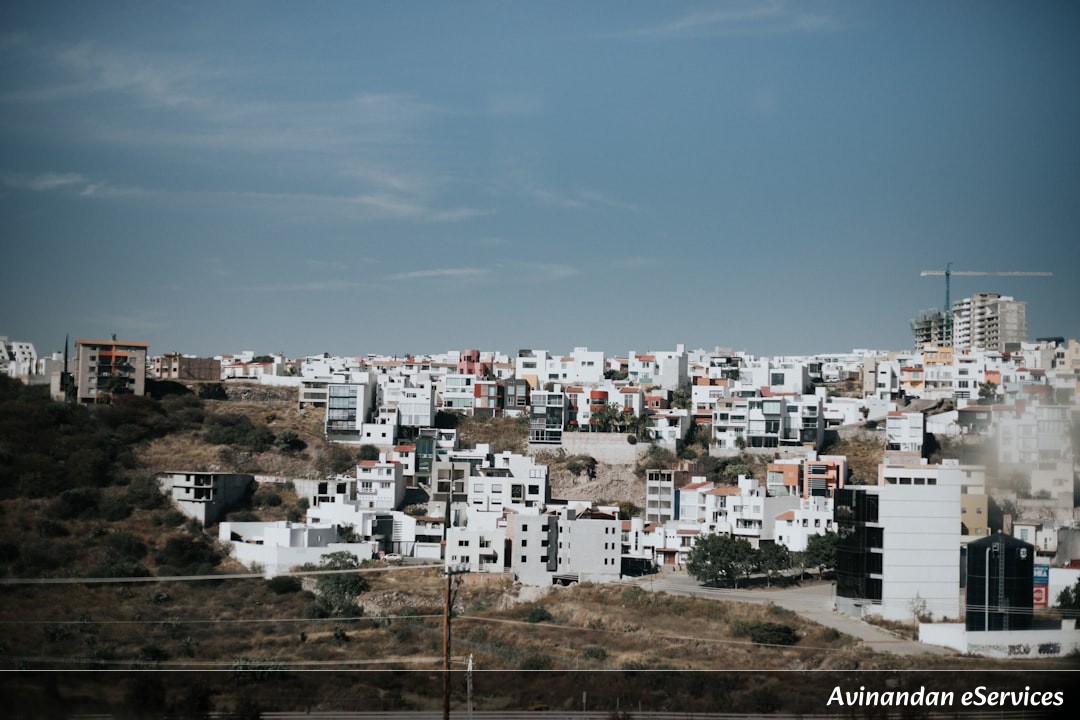
Introduction to Human Settlements
Welcome, young geographers! Today, we're embarking on a fascinating journey to explore the places where humans live – our homes, villages, towns, and sprawling cities. This chapter, 'Human Settlements,' from your Class XI Geography textbook, is all about understanding how and why humans choose to settle in certain areas, and how these settlements have evolved over time. From the smallest hamlets nestled in remote valleys to the colossal megacities that define our modern world, human settlements tell a story of our history, our needs, and our relationship with the environment. Understanding human settlements helps us grasp population distribution, urbanisation, and the challenges and opportunities that come with living together.
Key Concepts Explained
What are Human Settlements?
Simply put, a human settlement is a place where people live. It can be a single house or a complex urban area with millions of people. Settlements are not just random clusters of buildings; they are organized spaces that fulfill our basic needs for shelter, safety, and community. They are the most visible imprint of human activity on the Earth's surface.
Types of Human Settlements
Human settlements can be broadly classified into two main categories:
- Rural Settlements: These are settlements found in villages. They are typically characterized by a low population density, a close connection to nature, and economic activities primarily based on primary sectors like agriculture, fishing, forestry, and mining. Rural settlements are often smaller and more dispersed than urban settlements.
- Urban Settlements: These are towns and cities. They have a high population density, are centers of non-agricultural activities like manufacturing, trade, and services, and are often characterized by complex infrastructure, diverse lifestyles, and a faster pace of life. Urban settlements can range from small towns to large cities and even megacities.
Classifying Settlements Further
We can classify settlements based on their shape, pattern, and the services they offer:
- Pattern of Settlements: This refers to how houses and other buildings are arranged. Common patterns include:
- Linear Pattern: Settlements arranged in a line, often along a road, railway line, river, or coast.
- Circular Pattern: Settlements that are circular in shape, often around a water body or a village green.
- Rhomboidal Pattern: Settlements that appear in a diamond shape.
- Triangular Pattern: Settlements often found at river confluences.
- Inland vs. Coastal Settlements: Settlements located away from the sea versus those on the coast.
- Clustered Settlements: Houses are built very close to each other.
- Dispersed Settlements: Houses are spread far apart from each other.
- Types of Rural Settlements: These vary greatly depending on the physical landscape and cultural factors:
- Clustered (Nucleated): Houses are grouped closely together, often for defense or social reasons.
- Semi-Clustered: Houses are clustered in a central area but also spread out slightly.
- Dispersed (Scattered): Houses are widely separated, often found in hilly or forested regions.
- Nucleated: A specific type of clustered settlement where houses are very tightly packed.
- Types of Urban Settlements: Cities and towns can be classified based on their functions:
- Administrative Centers: Capitals of countries or states (e.g., New Delhi, Gandhinagar).
- Industrial Centers: Cities focused on manufacturing (e.g., Jamshedpur).
- Commercial Centers: Hubs for trade and business (e.g., Mumbai).
- Transportation Centers: Ports or major railway junctions (e.g., Chennai, Tundla).
- Military Towns: Centers for military activities.
- Educational Centers: Cities known for universities and colleges (e.g., Oxford).
- Religious Centers: Places of religious importance (e.g., Varanasi, Jerusalem).
- Tourist Centers: Destinations for tourism (e.g., Shimla, Agra).
Evolution of Settlements
Human settlements have evolved over thousands of years. Early humans lived nomadic lives, but the advent of agriculture led to settled life. Villages emerged, followed by the growth of towns and eventually cities. Factors like resource availability, technological advancements, trade routes, and political stability have all influenced this evolution. Today, we see a rapid pace of urbanisation, with people migrating from rural to urban areas in search of better economic opportunities and lifestyles.
Challenges and Future of Human Settlements
As settlements grow, especially urban ones, they face numerous challenges:
- Overcrowding: Too many people in a limited space.
- Pollution: Air, water, and noise pollution from industries and vehicles.
- Strain on Resources: Increased demand for water, food, and energy.
- Slums and Housing Shortages: Inadequate housing for a large segment of the population.
- Traffic Congestion: Difficulty in transportation.
Future settlements need to be planned sustainably. This involves creating smart cities, promoting public transport, managing waste effectively, ensuring access to green spaces, and making settlements more resilient to climate change. The concept of 'megacities' – urban agglomerations with more than 10 million people – presents unique challenges and opportunities for governance and development.
Growth of Urban Settlements
The growth of urban settlements is a complex process. It can be:
- Primary Urban Growth: When a settlement develops from a small village into a town and then a city, often driven by a dominant function.
- Secondary Urban Growth: When a settlement grows due to the development of new functions or industries.
The concept of 'rank-size rule' suggests that the nth largest city in a country will have about 1/nth the population of the largest city. The 'central place theory' explains how settlements of various sizes provide goods and services to the surrounding population.
What is a Megacity?
A megacity is a very large urban area, typically defined as having a population of 10 million or more people. These cities are dynamic centres of economic activity, culture, and innovation, but they also grapple with significant challenges related to infrastructure, social services, and environmental sustainability. Examples include Tokyo, Delhi, Shanghai, and São Paulo.
Summary & Key Takeaways
- Human settlements are places where people live, ranging from small villages to large cities.
- They are classified as rural (villages) or urban (towns and cities) based on population density and economic activities.
- Settlements can be further categorized by their pattern (linear, circular) and function (administrative, industrial, commercial).
- The evolution of settlements is linked to agriculture, trade, technology, and societal changes.
- Rapid urbanisation brings challenges like overcrowding, pollution, and resource strain.
- Sustainable planning is crucial for the future of human settlements, especially megacities.
- Megacities are urban areas with over 10 million people, presenting unique development challenges and opportunities.