Introduction to the Topic
Welcome, young historians! Today, we embark on a fascinating journey back in time to explore the magnificent buildings constructed during the medieval period in India. Our focus will be on Class VII History, Chapter 5: Rulers and Buildings. This chapter isn't just about stones and mortar; it's about understanding the lives, power, and aspirations of the rulers who commissioned these grand structures. We'll discover how these buildings, from temples and mosques to forts and tombs, tell stories of architectural innovations, religious beliefs, and the society of their times. Get ready to be amazed by the artistry and engineering marvels of the past!
Key Concepts Explained
1. The Purpose of Royal Buildings
Why did rulers build such elaborate structures? There were several reasons:
- Display of Power and Wealth: Grand buildings were a visible symbol of a ruler's strength, prosperity, and influence. The bigger and more ornate the building, the more powerful the ruler appeared.
- Religious Devotion: Many rulers commissioned temples and mosques to showcase their piety and seek divine blessings for their kingdom. These religious sites also served as centers for spiritual and community gatherings.
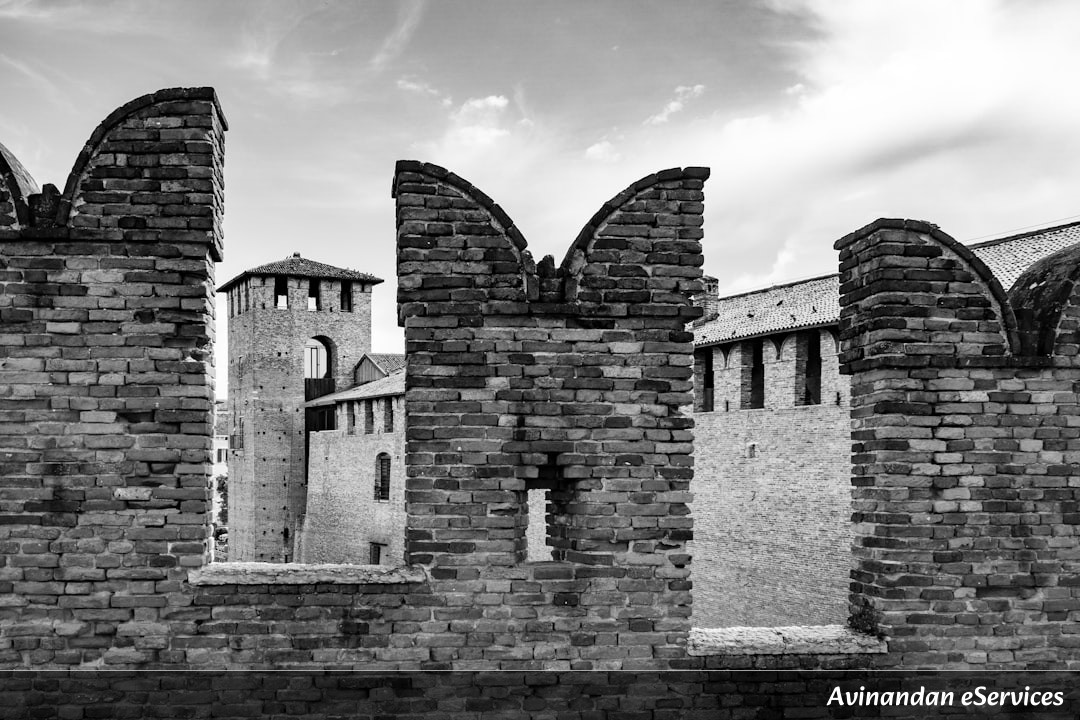
- Defense: Forts were essential for protecting the kingdom and its people from enemies. They were strategically built with strong walls and watchtowers.
- Memorials and Tombs: Rulers often built tombs and mausoleums to commemorate themselves or their loved ones, ensuring their legacy would live on.
- Administrative Centers: Palaces and administrative buildings were the heart of governance, where rulers and their officials managed the kingdom.
2. Architectural Innovations
The medieval period saw significant advancements in architecture. Let's look at some key features:
- Gardens, Palaces, and Tombs: Rulers like Babur and Humayun were fond of gardens and introduced the 'charbagh' (four-garden) style. Mughal rulers, in particular, excelled in building magnificent tombs, like Humayun's Tomb and the Taj Mahal, which later became iconic structures.
- Temples and Mosques: Hindu temples and Muslim mosques were not just places of worship but also centers of art and learning. Rulers often patronized these structures, leading to the development of distinct architectural styles. For instance, the elaborate carvings on temples and the intricate calligraphy in mosques were a testament to the skilled artisans of the time. The construction of the 'Deccani Sultanates' also showcased a unique blend of architectural influences.
- Forts and Grand Structures: The construction of forts like the Red Fort in Delhi and Agra Fort, along with administrative buildings, demonstrated immense engineering skills. These structures often featured massive walls, intricate courtyards, and imposing gateways. Architects used materials like sandstone and marble \textensively, adorned with intricate carvings and inlays.
- Engineering and Construction: Building these massive structures required incredible engineering knowledge. They developed techniques for lifting heavy stones, creating domes, and ensuring structural stability. The use of arches, domes, and minarets became common in various constructions.
3. The Role of Architects and Artisans
The creation of these masterpieces wasn't solely the ruler's effort. Skilled architects, sculptors, stone-cutters, masons, and painters worked tirelessly to bring these visions to life. They were the true artists behind the grandeur. The chapter highlights how the rulers often took credit for these magnificent achievements, but it was the collective effort of countless craftspeople that made them possible.
4. Social and Religious Significance
These buildings were more than just structures; they were reflections of the society and beliefs of the time:
- Religious Harmony and Conflict: While rulers commissioned buildings of their own faith, some also patronized structures of other religions, hinting at a degree of religious tolerance. However, sometimes, the destruction of temples also occurred during times of conflict.
- Centers of Social Life: Temples, mosques, and forts were often focal points of social and economic activity, bringing communities together.
- Legacy of Rulers: The buildings left behind by rulers served as a lasting legacy, shaping the landscape and influencing future generations of architects and rulers.
5. Case Studies: Specific Examples
The chapter delves into specific examples to illustrate these points:
- The Kandariya Mahadeva Temple: Built by the Chandela ruler in the 10th century, this temple showcases intricate sculptures and a towering 'shikhara'.
- The Sultan Ghari Tomb: This was the first true tomb with a dome and an arch of the Delhi Sultanate.
- The architectural achievements of the Mughal Emperors: From the gardens of Babur to the Taj Mahal of Shah Jahan, the Mughals left an indelible mark on Indian architecture. The use of 'pietra dura' (inlay work with precious stones) in the Taj Mahal is a prime example of their artistic brilliance.
Summary & Key Takeaways
- Medieval rulers built grand structures like temples, mosques, forts, and tombs to display power, devotion, and for defense.
- Architectural innovations included the 'charbagh' style, intricate carvings, domes, arches, and the \textensive use of materials like sandstone and marble.
- Skilled architects and artisans played a crucial role in constructing these buildings.
- These buildings reflect the religious beliefs, social life, and the power dynamics of the medieval period.
- Examples like the Kandariya Mahadeva Temple and the Taj Mahal highlight the architectural brilliance of the era.